Every product we review or recommend is thoroughly tested by our in-house experts in real-world conditions, following our
review methodology
and
ethics statement
to ensure honest, independent, and data-driven results.
Xiaomi has a new phone aiming squarely at the Pixel 9a and Galaxy A56 5G. It seems to pack a fast processor, a strong camera, and an impressively huge battery to compete.
But are there any drawbacks? Let’s take a closer look.
Xiaomi Redmi Note 15 Pro+ 5G
6.5
PhoneArena Rating
6.7
Price Class Average
Battery Life
7.6
8.1
Photo Quality
6.6
6.5
Video Quality
5.1
5
Charging
7.7
7.5
Performance Heavy
4.4
5.8
Performance Light
6.1
6.9
Display Quality
8
7.9
Design
7
7.3
Wireless Charging
0
4
Biometrics
7
6.7
Audio
7
6.9
Software
6
6.6
Why the score?
This device scores 3% worse than the average for this price class, which includes devices like the Motorola Edge 70 Pro, Nothing Phone (4a) Pro and RedMagic 11 Air
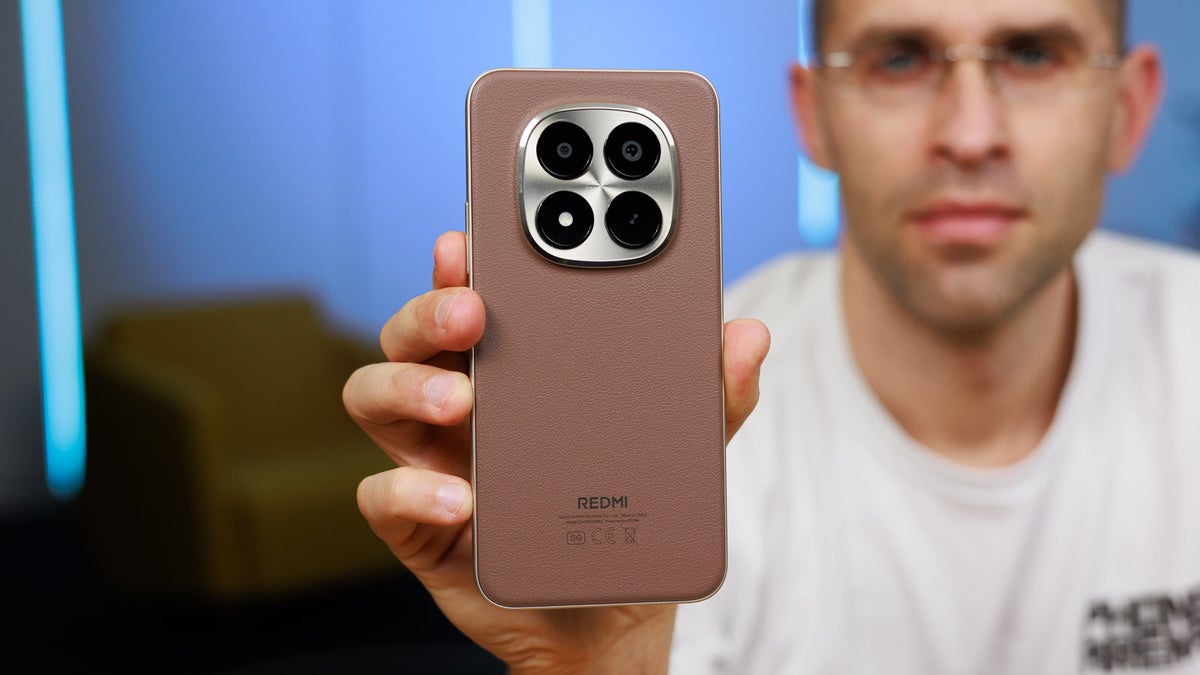
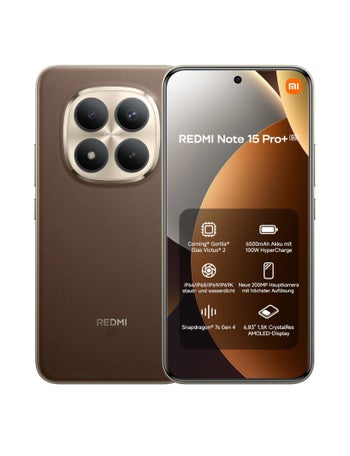
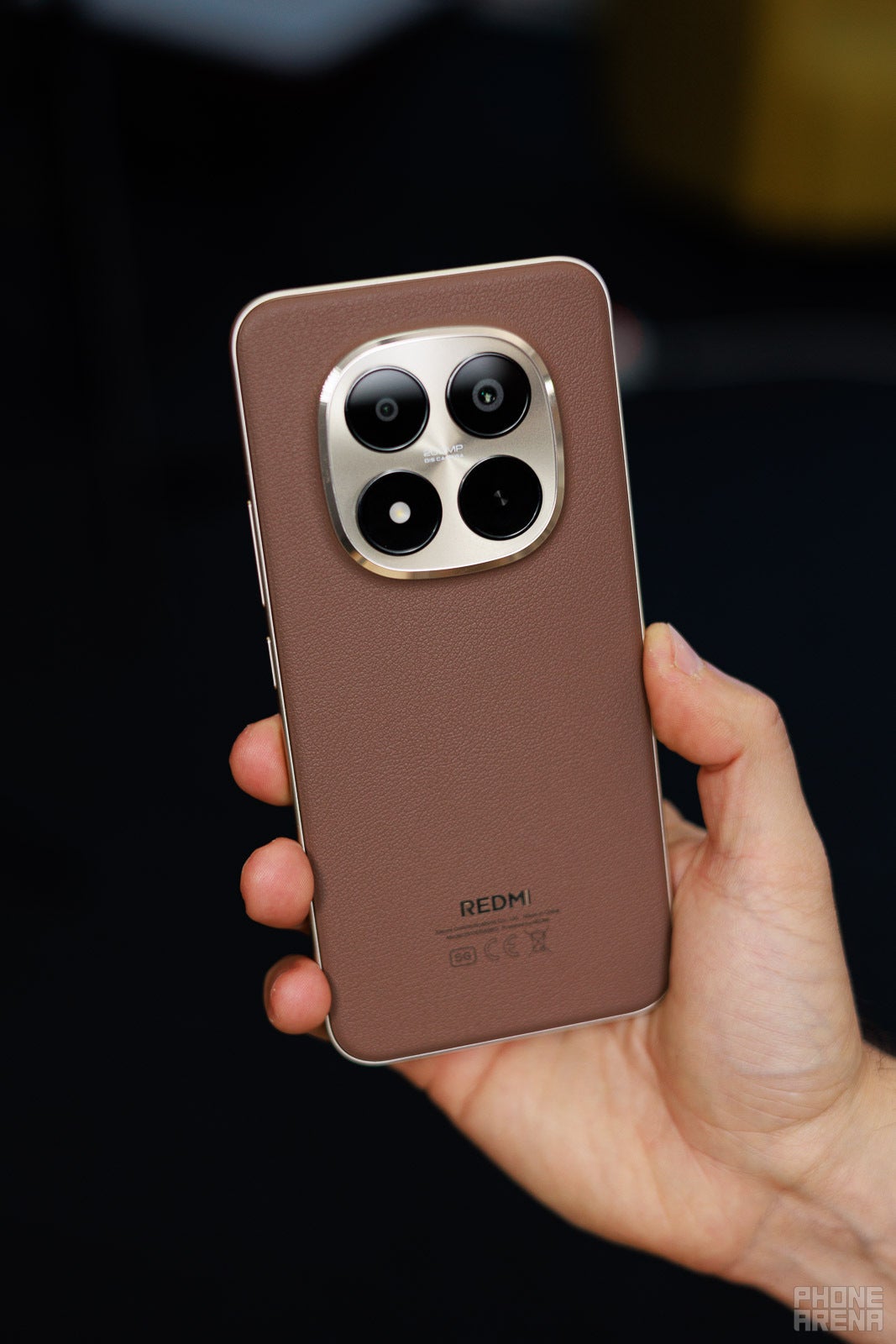
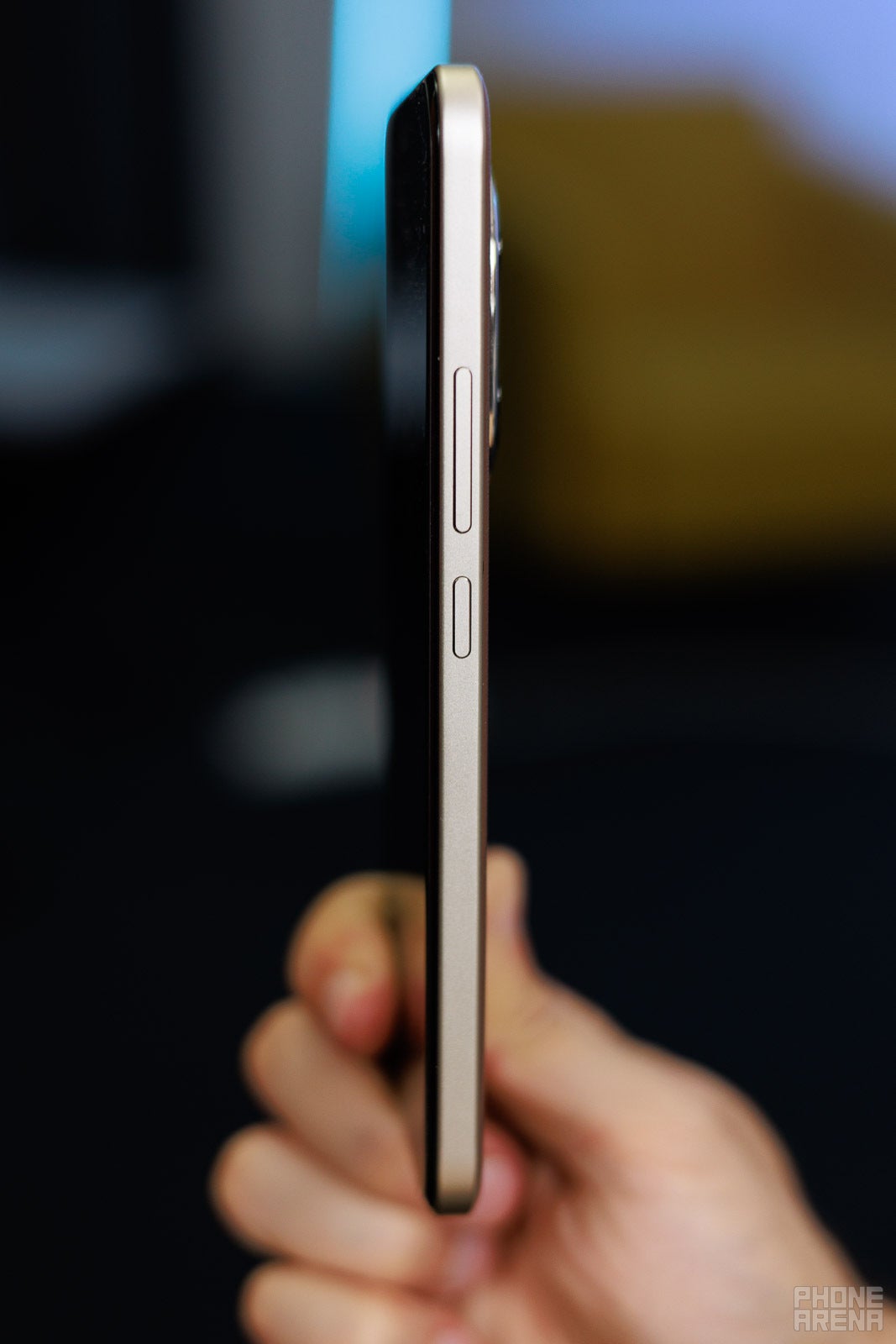
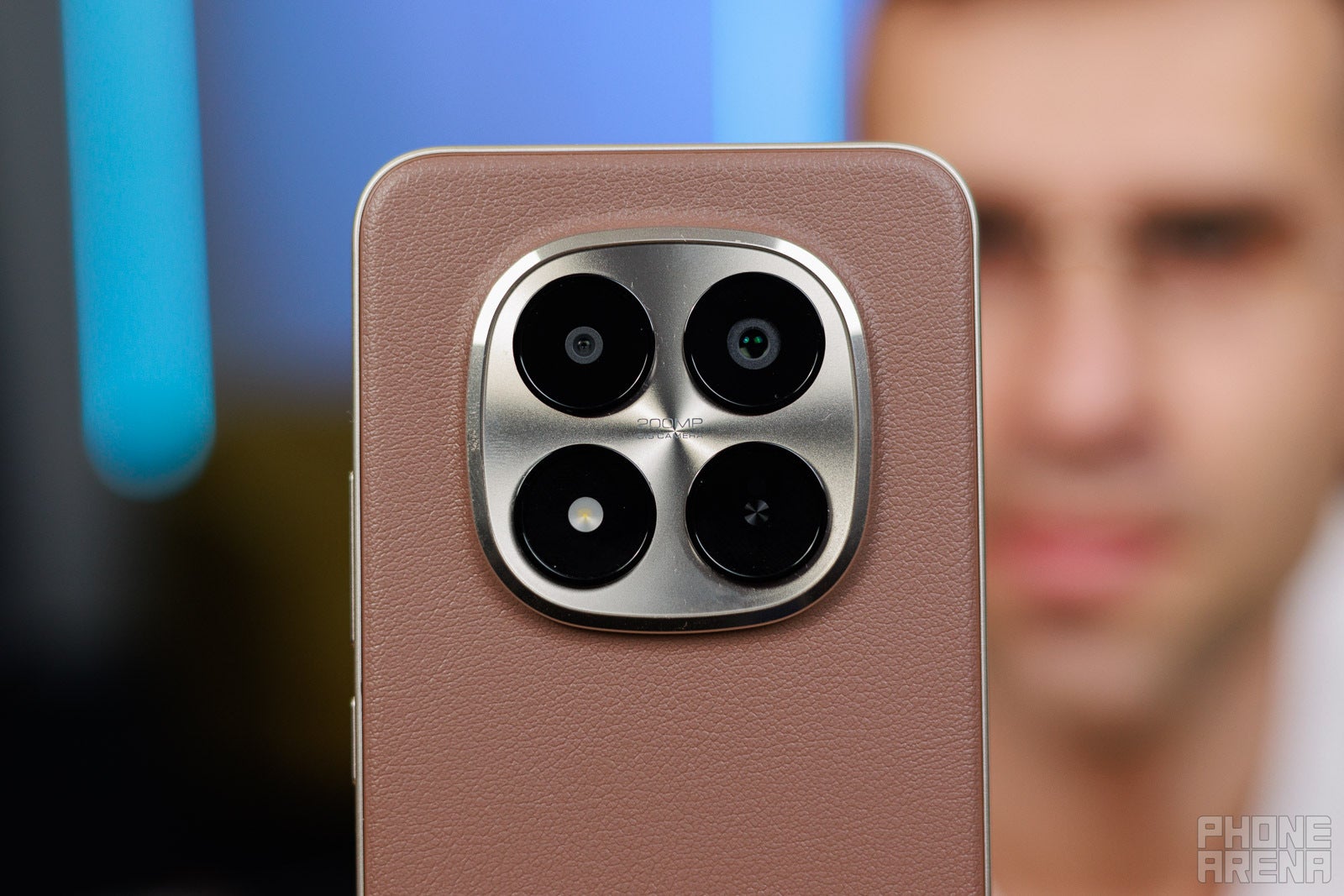
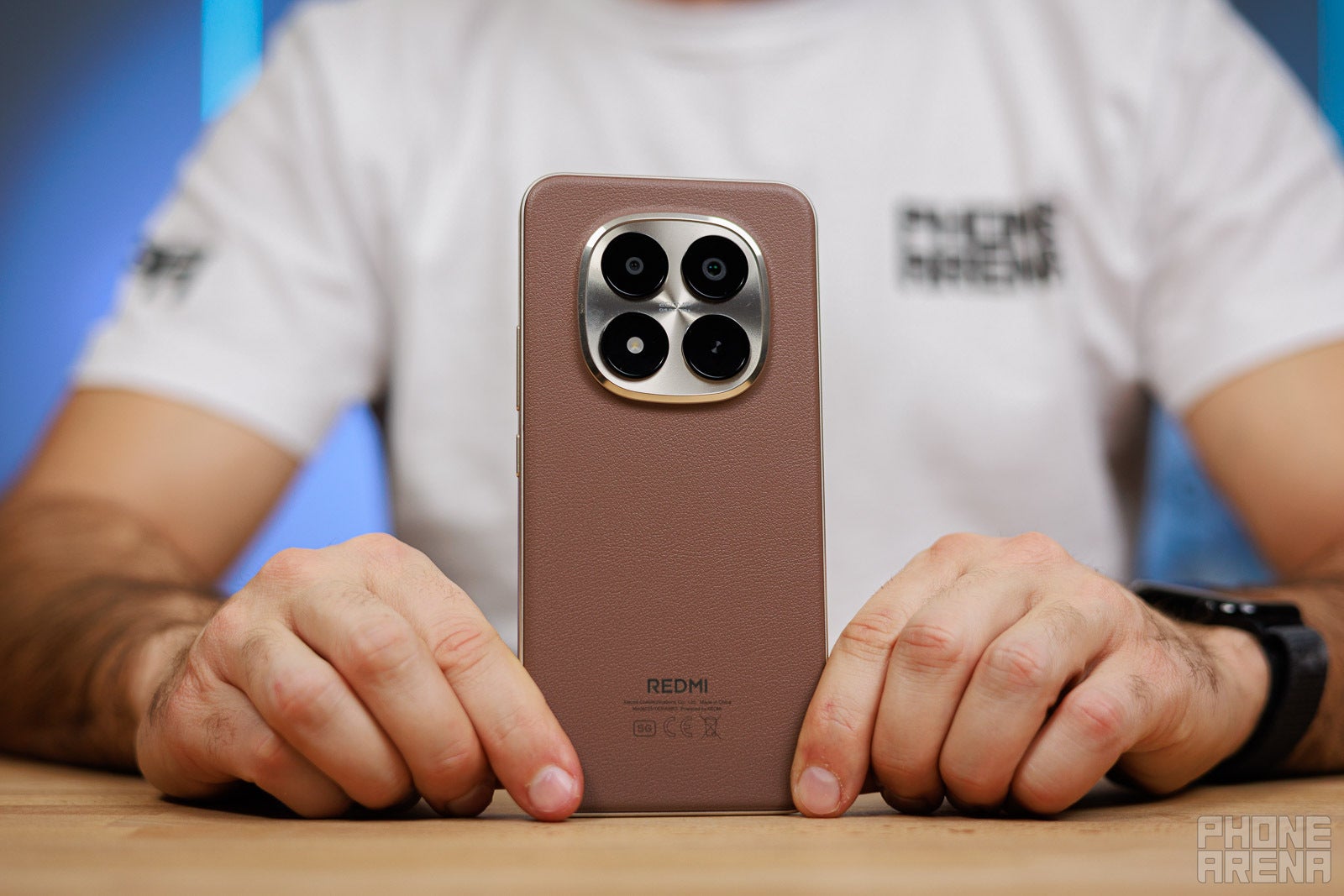
Starting with the design, this is the faux leather version, featuring a soft-touch back and a really nice in-hand feel. The rest of the design follows the typical 2026 trend: flat sides, flat screen — a bit generic, but solid and well-built.
The phone measures 163.3 × 78.3 × 8.2 mm, making it slightly wide with average thickness. Thanks to its IP68/IP69K rating, it’s protected against dust, can be submerged in water up to 1.5 meters, and even withstands high-pressure water jets. At 207 grams, it’s not exactly light, though still lighter than an iPhone Pro Max.
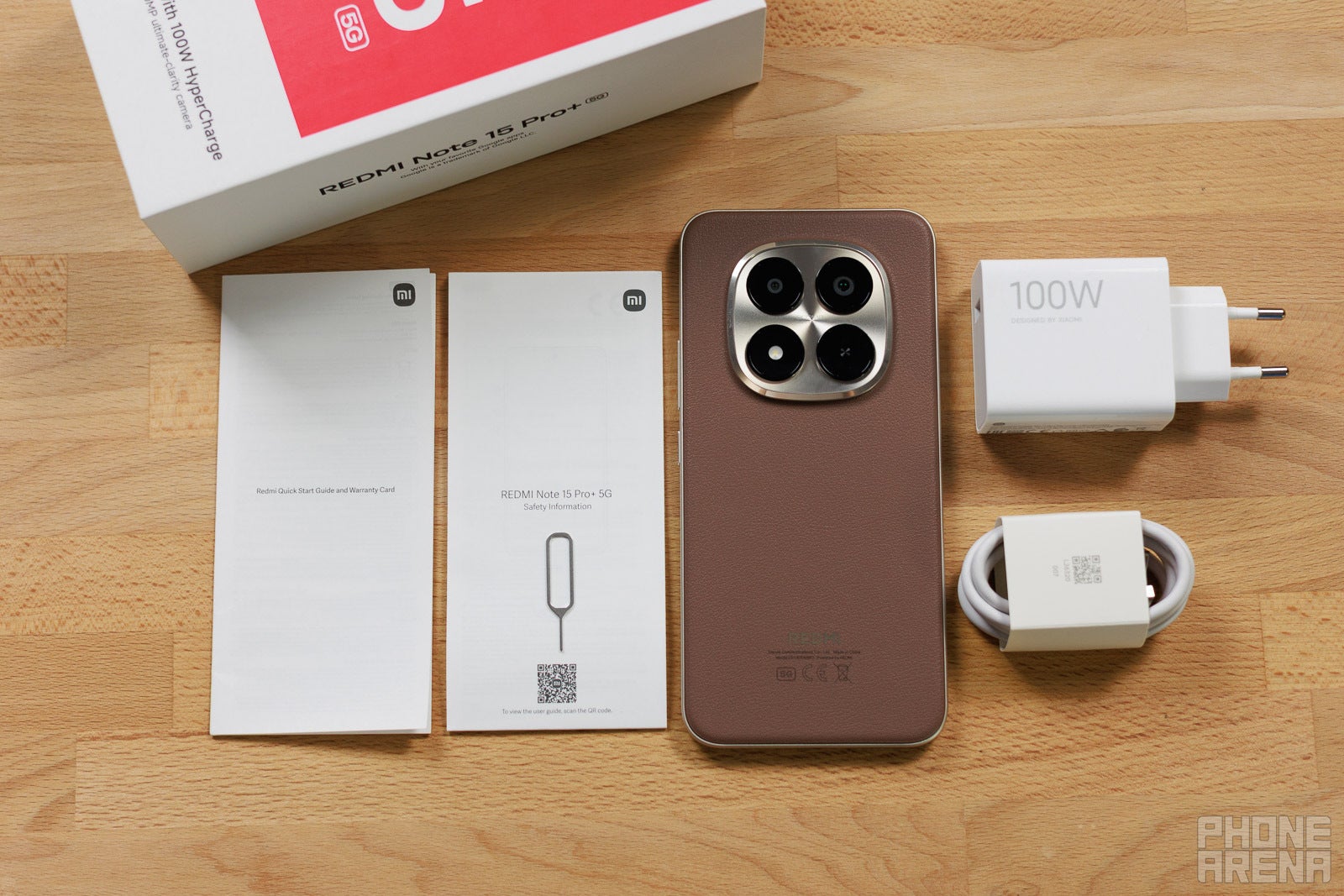
Above you can see the contents of the box, much richer than what you get with most other phones.
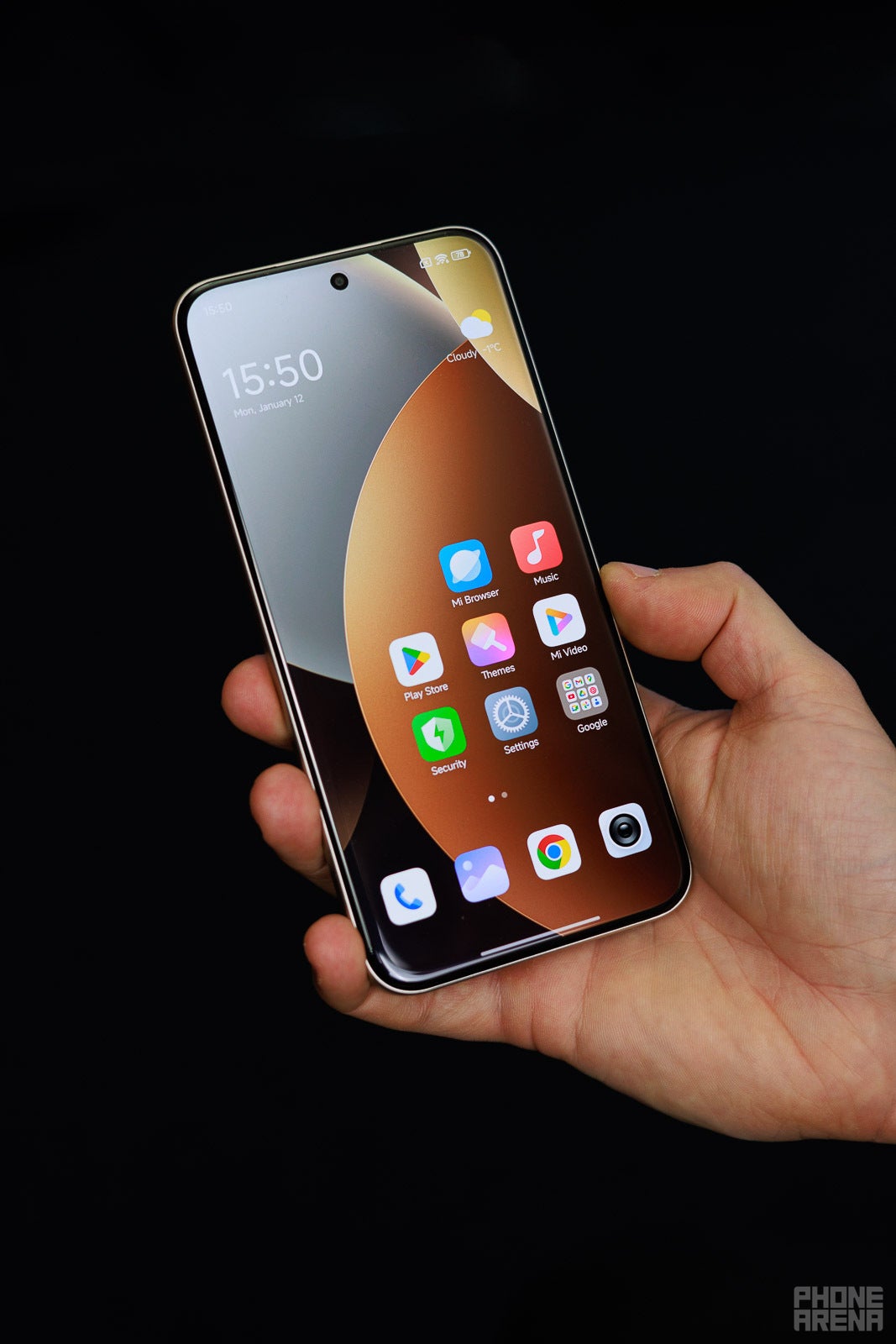
The 6.8-inch display is large, and the slim bezels give it a much more modern look—especially when compared to the Pixel 9a’s noticeably thicker borders.
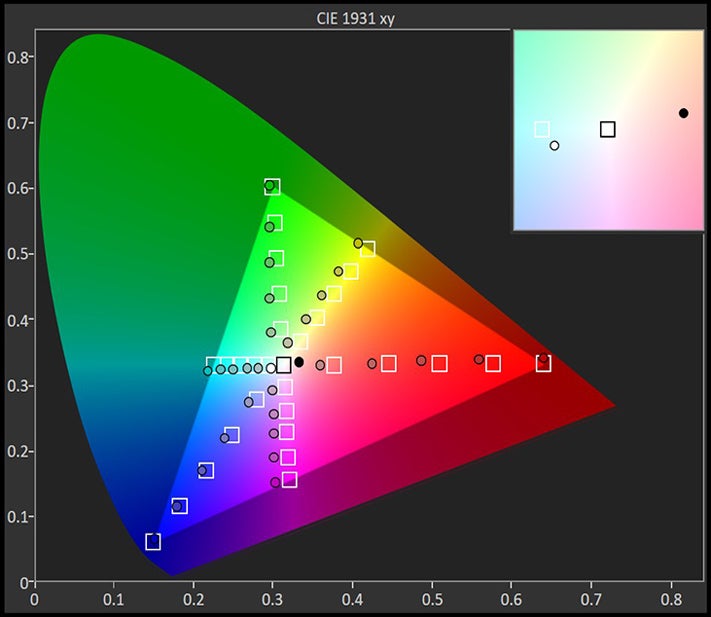
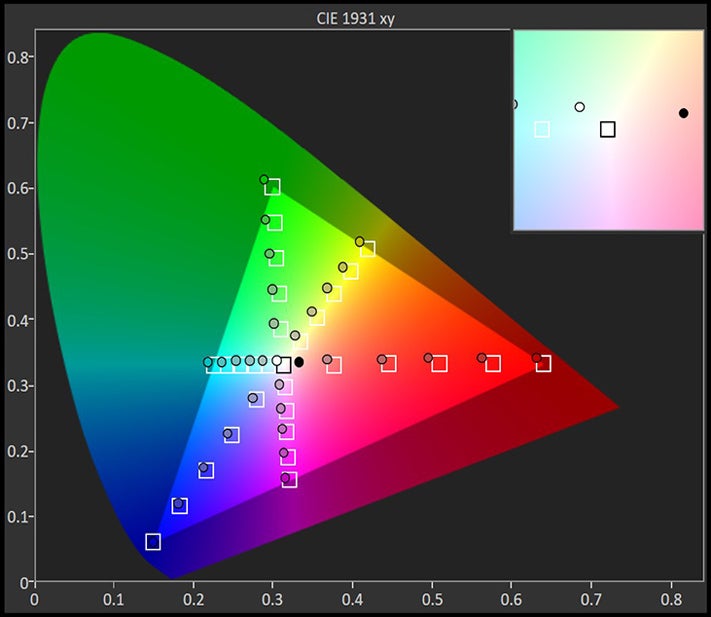
The CIE 1931 xy color gamut chart represents the set(area)of colors that a display can reproduce,with the sRGB colorspace(the highlighted triangle)serving as reference.The chart also provides a visual representation of a display's color accuracy. The small squares across the boundaries of the triangle are the reference points for the various colors, while the small dots are the actual measurements. Ideally, each dot should be positioned on top of its respective square. The 'x:CIE31' and 'y:CIE31' values in the table below the chart indicate the position of each measurement on the chart. 'Y' shows the luminance (in nits) of each measured color, while 'Target Y' is the desired luminance level for that color. Finally, 'ΔE 2000' is the Delta E value of the measured color. Delta E values of below 2 are ideal.
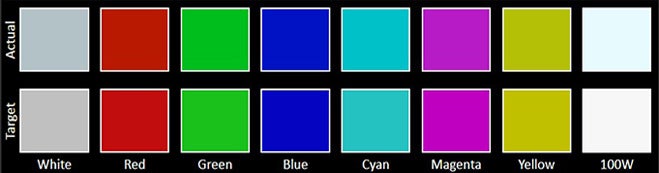
The Color accuracy chart gives an idea of how close a display's measured colors are to their referential values. The first line holds the measured (actual) colors, while the second line holds the reference (target) colors. The closer the actual colors are to the target ones, the better.
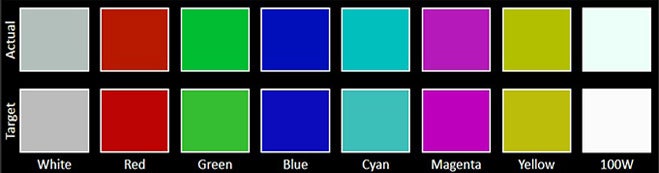
The Grayscale accuracy chart shows whether a display has a correct white balance(balance between red,green and blue)across different levels of grey(from dark to bright).The closer the Actual colors are to the Target ones,the better.
Of course, this is an AMOLED screen with beautiful colors and a very decent brightness level. Plus, you have 120Hz refresh rate for smooth scrolling.
In terms of biometrics, you get an optical fingerprint scanner at the bottom part of the screen. It’s fast and reliable, no problems while using it.
Redmi Note 15 Pro+ 5G Camera
Solid main camera
Xiaomi Redmi Note 15 Pro+ 5G
PhoneArena Camera Score
BEST 158
131
PhoneArena Photo Score
BEST 165
142
Main (wide)
BEST 87
77
Zoom
BEST 30
23
Ultra-wide
BEST 26
17
Selfie
BEST 30
25
PhoneArena Video Score
BEST 155
121
Main (wide)
BEST 83
65
Zoom
BEST 27
16
Ultra-wide
BEST 24
16
Selfie
BEST 28
23
On the camera front, the Redmi Note 15 Pro 5G comes with a 200MP main camera with a 23mm lens and f/1.7 aperture, plus you have an 8MP ultra-wide camera with a 15mm lens and f/2.2 aperture. No telephoto camera here, and at this price some phones have that.
The main camera is clearly the star of the show, while the 8MP ultra-wide feels like an after thought - not much detail and not a great performer, definitely a bit of a disappointment.
Recommended For You
By default, the main camera outputs 12MP photos, while an Ultra HD mode lets you shoot at the full 200MP resolution—at the cost of much larger JPEG files, roughly 20MB versus about 3MB normally.
You have 4K30 video support with very good video stabilization, but at this price I would have loved to see 4K60 support as well, and that’s missing. Still, video quality is decent, especially compared to the other Redmi phones in the Note 15 series.
Redmi Note 15 Pro+ 5G Performance & Benchmarks
No stutter
Compared to cheaper phones in the Redmi Note 15 series, this one finally feels like it runs with no stutter. That’s all thanks to the Snapdragon 7s Gen 4 4nm chip on board. The phone also comes with 8GB of RAM, decent, but we have seen some phones in this price bracket with 12GB.
CPU Performance Benchmarks:
Geekbench 6 Single Higher is better
Xiaomi Redmi Note 15 Pro+5G1234
Google Pixel 9a1687
Geekbench 6 MultiHigher is better
Xiaomi Redmi Note 15 Pro+5G3228
Google Pixel 9a4385
Geekbench 6: A high single-core score is what makes your phone feel snappy during everyday tasks like opening apps, typing and browsing. The multi-core score matters most when doing heavier work like video editing or gaming.
Xiaomi's star mid-ranger is still no match for the performance power of, say, the Pixel 9a and its Tensor G4 chip. The Redmi is nearly 40% lower in terms of both single and multi-core performance.
GPU Performance
3DMark Extreme(High)Higher is better
Xiaomi Redmi Note 15 Pro+5G1113
Google Pixel 9a2625
3DMark Extreme(Low)Higher is better
Xiaomi Redmi Note 15 Pro+5G1055
Google Pixel 9a2124
Wild Life Extreme is a heavy graphics workload used to measure a device's sustained GPU performance and thermal throttling. It uses older mobile rendering techniques and is friendly to older or lower-end mobile devices.
The gap is even wider if you look at the gaming performance. The Redmi barely reaches 1,000 points on the 3D Mark stress test, while the Pixel is more than twice as fast. If you care about playing intense games like Genshin Impact, the Pixel is clearly the better choice for performance.
I also have to criticize Xiaomi for the slower UFS 2.2 type of storage used in this phone, while others use faster storage, which means your photos show up faster and apps load quicker.
Interestingly, this is also the only Redmi Note 15 series phone that does NOT have a microSD card, and I know many people still love that feature.
Redmi Note 15 Pro+ 5G Software
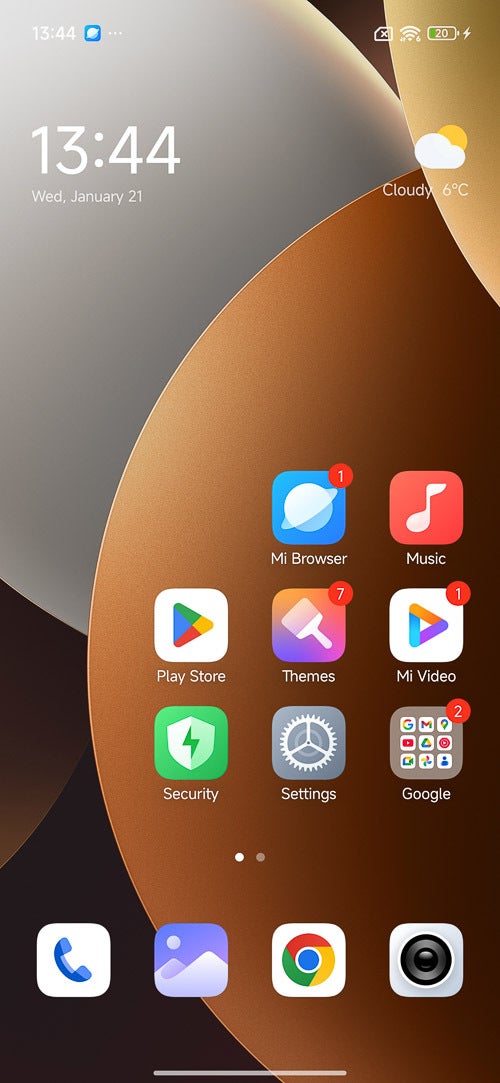
The phone ships with HyperOS 2.0 based on Android 15, with an upgrade to HyperOS 3.0 and Android 16 already confirmed.
Xiaomi promises four years of OS updates, which is not quite on par with the seven years that you get with, say, a Pixel 9a, but still not too bad either.
The real star of the show is the 6,500 mAh battery. It’s about 15% larger than the Galaxy A56’s and, in real-world use, comfortably lasts around two days. Very nice!
You can see the phone scores very well in our in-house battery tests.
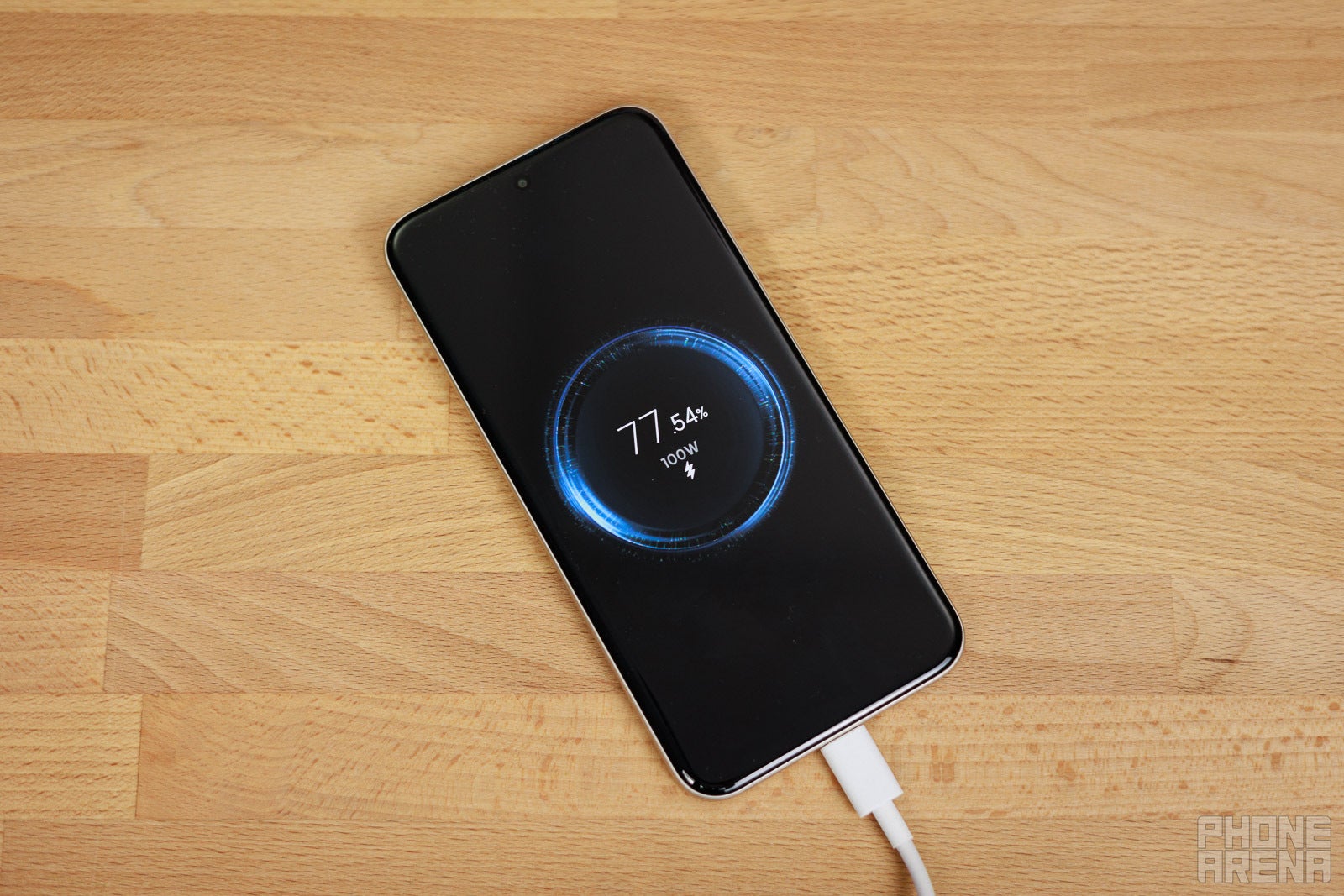
Charging is officially rated at a mind-boggling 100 watts, which is better than all of its rivals. A full charge takes just 40 minutes, compared to an hour and a half or longer for other phones. Do keep in mind that you only get these fast speeds with a proprietary Xiaomi charger that is not included in the box.
There is no wireless charging on board, though, which is a bit of a downer.
Redmi Note 15 Pro+ 5G Audio Quality and Haptics
Sound quality is actually quite good as the phone gets quite boomy and unlike cheaper Redmis, here you have some hint of the lower frequencies too. The larger size of this phone is an advantage in this case compared to, say, the smaller Pixel 9a.
Haptics are a strong point, delivering tight, well-controlled vibrations that feel far more refined than what you usually get on cheaper phones.
Should you buy it?
The Redmi Note 15 Pro+ 5G clearly sets a high bar for battery life and charging speed compared to Galaxies and Pixels. It’s also a very fast phone, runs smoothly, and handles gaming well. Small touches like the IR blaster are a nice bonus.
On the downside, photo and video quality still lag slightly behind the competition, even if the gap is narrowing.
If this combination appeals to you, my recommendation is to wait for the expected discounts and grab it at a much better price.
Victor, a seasoned mobile technology expert, has spent over a decade at PhoneArena, exploring the depths of mobile photography and reviewing hundreds of smartphones across Android and iOS ecosystems. His passion for technology, coupled with his extensive knowledge of smartphone cameras and battery life, has positioned him as a leading voice in the mobile tech industry.
A discussion is a place, where people can voice their opinion, no matter if it
is positive, neutral or negative. However, when posting, one must stay true to the topic, and not just share some
random thoughts, which are not directly related to the matter.
Things that are NOT allowed:
Off-topic talk - you must stick to the subject of discussion
Offensive, hate speech - if you want to say something, say it politely
Spam/Advertisements - these posts are deleted
Multiple accounts - one person can have only one account
Impersonations and offensive nicknames - these accounts get banned
To help keep our community safe and free from spam, we apply temporary limits to newly created accounts:
New accounts created within the last 24 hours may experience restrictions on how frequently they can
post or comment.
These limits are in place as a precaution and will automatically lift.
Moderation is done by humans. We try to be as objective as possible and moderate with zero bias. If you think a
post should be moderated - please, report it.
Have a question about the rules or why you have been moderated/limited/banned? Please,
contact us.





















Things that are NOT allowed:
To help keep our community safe and free from spam, we apply temporary limits to newly created accounts: