Apple's first foldable phone, the iPhone Duo, is launching on October 23, 2026. For such an expensive phone, you're probably wondering what its IP68 rating means in practice. And can you take it to the beach?
The short answer is, well, not quite. IP68 means the phone is dust-tight and able to handle splashes or a brief stay in clear water. But there's a problem.
We've seen this exact rating on phones like the Pixel 11 Pro Fold, and real-world testing and reports show that sand particles can still damage the hinge. At least, modern foldables handle water reasonably well.
Now, could Apple have created an innovative hinge design? Absolutely, and we do hope so. The phone is yet to launch so it's not fair to pass final judgement just yet. What we can say is that we expect the iPhone Duo to handle water just fine. With sand, things may get complicated.
But there's more to the story, so read on to see how IP ratings are tested and whether AppleCare+ could help you in case of accidents with your new foldable iPhone.
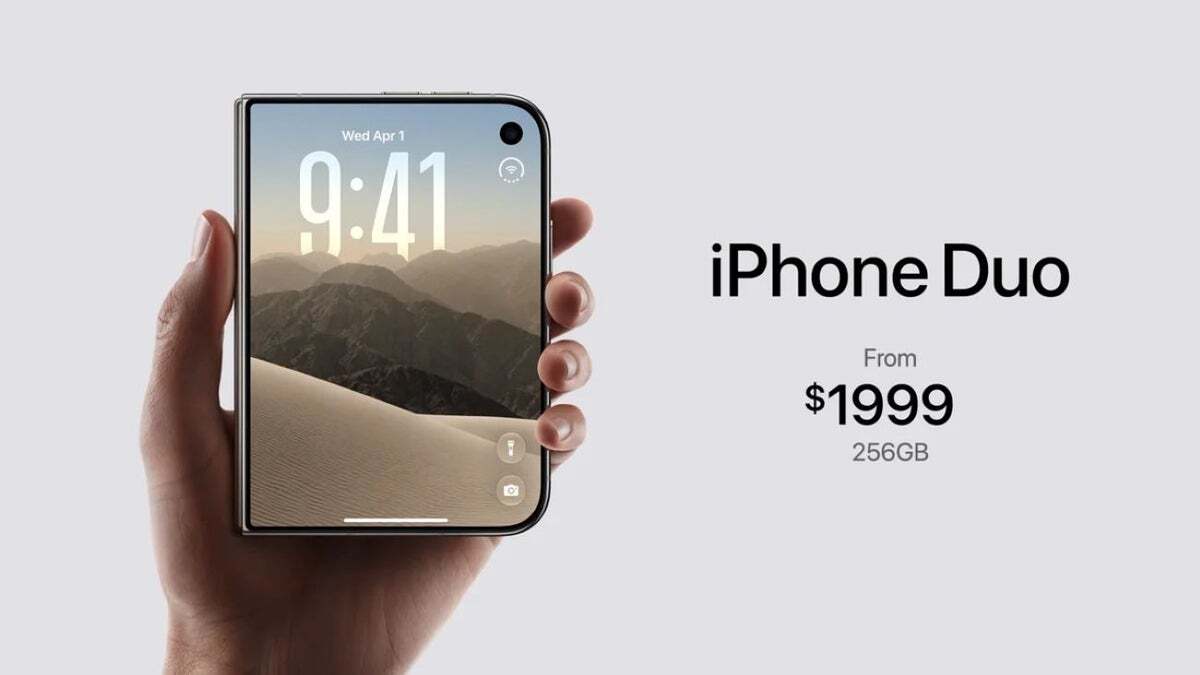
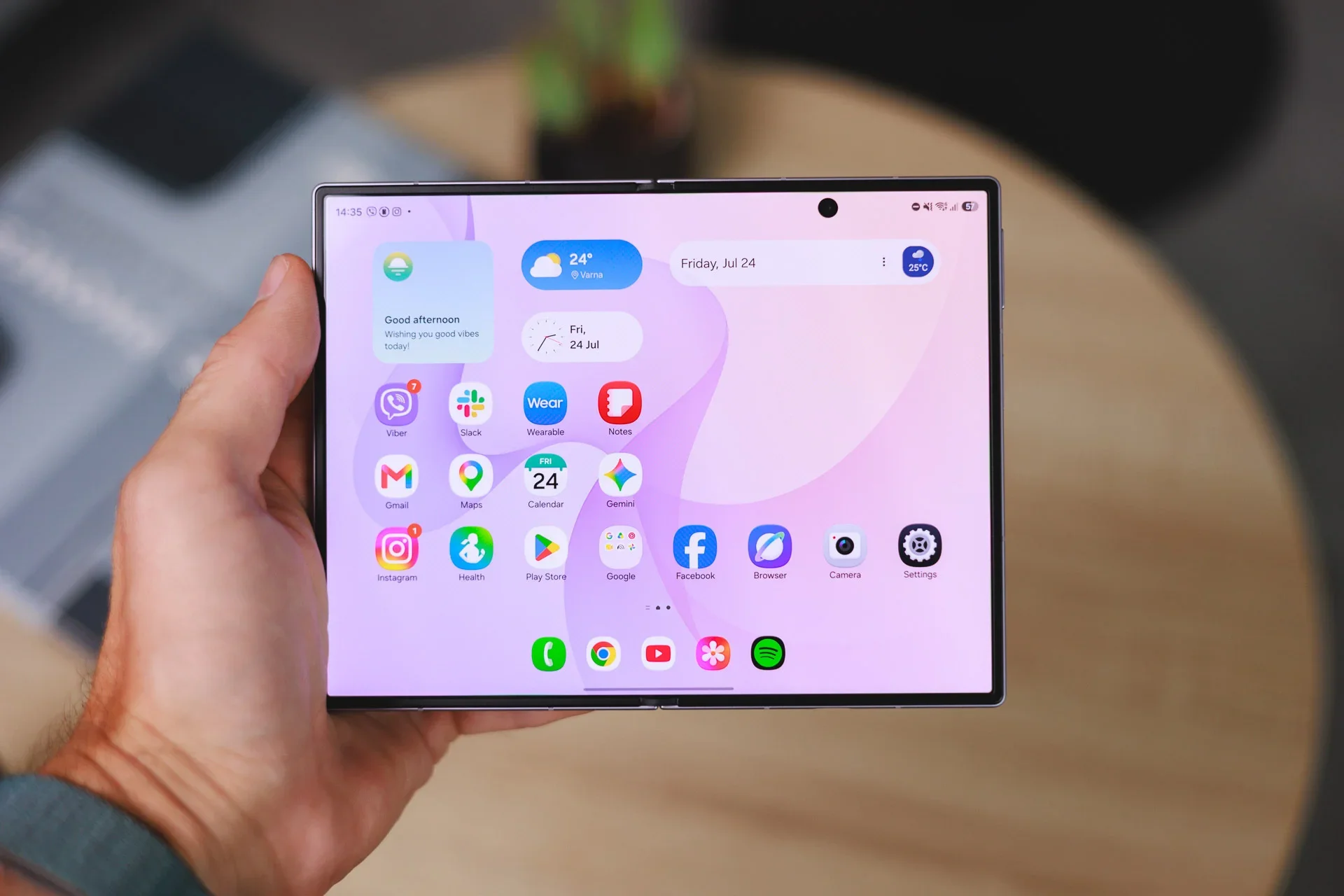
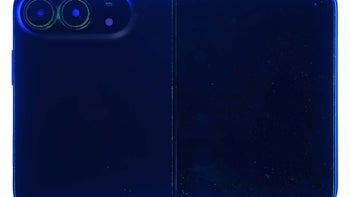
iPhone Duo. | Image by Apple
IP rating explained
An IP rating is made up of two numbers. The first number stands for protection against solid particles like dust. A 6 here, which is the standard on high-end flagships, would mean the device is "completely dust-tight".
Recommended For You
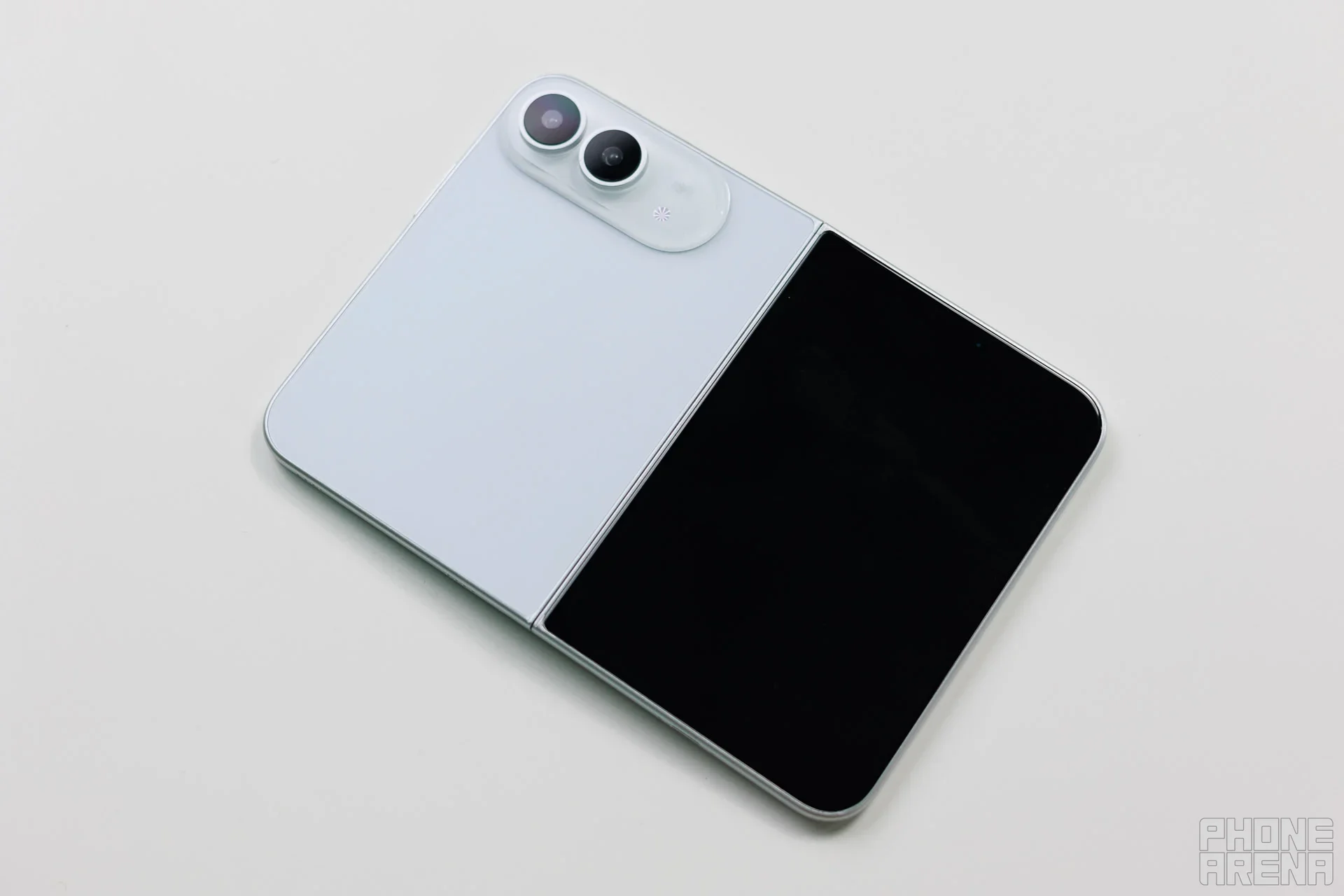
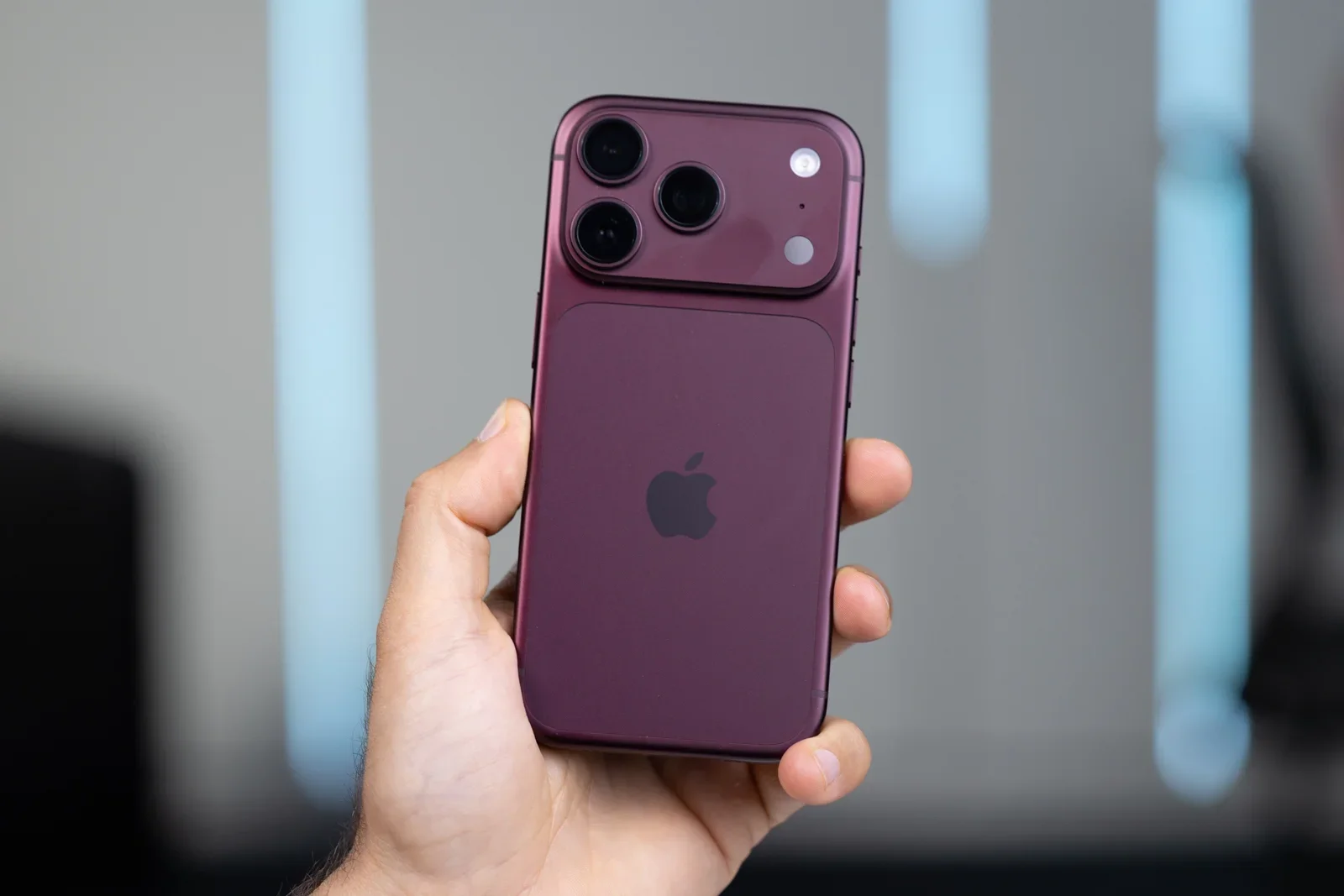
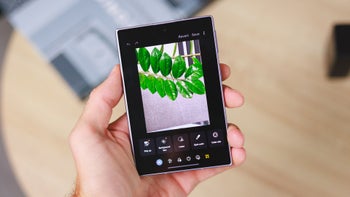
The iPhone Duo. | Image by PhoneArena
In practice, this means that fine particles can't reach the components that make the phone work and thus can't stop it from shortening out due to pesky dust particles, for example.
The second number stands for water resistance. For the record, there's no such thing as a truly waterproof phone. An 8 for water resistance means the device can sustain being submerged in shallow water for up to 30 minutes.
One important caveat: these tests are conducted with clean, fresh water. Saltwater or chlorinated pool water is not covered by this protection and will corrode electronics regardless of their IP rating.
If your phone does end up in the sea or a pool, your first move should be to rinse it immediately with clean water, power it off, and let it dry. Devices from the last three to four years will likely survive even such a dip so long as you remember to rinse and dry.
iPhone Duo Defender Series Pro XT case
$89
99
Looking for the ultimate protection for your iPhone Duo? OtterBox's Defender Series Pro XT series case may be the one for you. Right now, you can get the heavy-duty accessory at a great price, ensuring maximum protection for your device.
If you're after a sleek case that complements your iPhone Duo perfectly without adding unnecessary bulk? The OtterBox Lumen Series case may be ideal for you. It comes in multiple color variants and now costs just $49.99, making it a great pick for many.
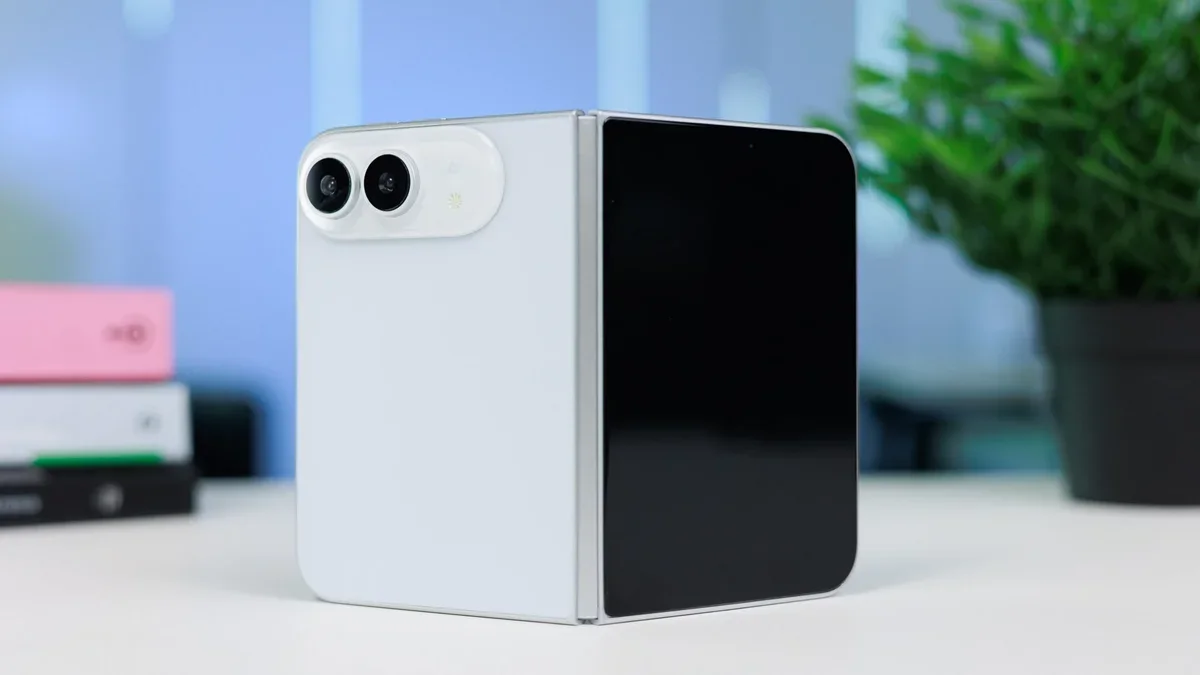
The iPhone Duo underwent lab testing for its IP rating. | Image by PhoneArena
An IP rating isn't something a manufacturer can simply claim – these ratings are earned after lab testing. This means that Apple has paid in order to have the iPhone Duo independently tested and certified.
A specific lab would run the tests, verify the results and then grant a certification. Curiously, some phones still perform reasonably well in water, without an IP rating. This is because their manufacturers simply didn't go through the certification process.
For the iPhone Duo, the IP68 certification is important for two main reasons. First, the phone is extremely expensive and you would need to have assurance of its durability as a buyer.
And second (and this is the more complicated part), it's a foldable, which means it has a moving mechanical hinge. Getting an IP68 on a device with moving parts is a notable achievement, at least on paper.
Foldables and IP ratings
If you've only followed iPhone releases, you may not know that Android foldables have been around for years, and one of their most consistent weaknesses is the hinge.
Sand, coarse dust, and even larger dirt particles can work their way into the mechanism and cause audible crunching. If left unaddressed without full repair, the issue can absolutely make the phone unusable.
That's why there are actually very few foldables that come with a high IP rating. For example, Samsung’s Galaxy Z Fold 8 has an IP48 rating. The 4 here indicates protection against particles larger than 1 mm.
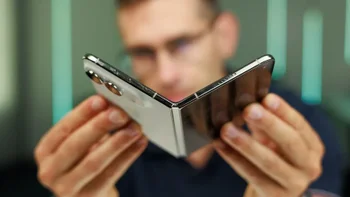
The Galaxy Z Fold 8. | Image by PhoneArena
That is arguably more honest than IP68, because 1mm-sized sand grains will still damage a Z Fold 8's hinge over time.
Meanwhile, Google's Pixel 11 Pro Fold sports an IP68 rating, just like the Duo, but real-world user accounts make clear that it absolutely cannot survive encounters with sand, gravel, or heavy dust.
So what's going on? Are manufacturers being misleading? Not exactly.
It's all about how phones get tested
The dust-tightness portion of IP testing measures whether particles can penetrate an enclosure. What that enclosure looks like, and whether it's a one-to-one replica of the final device, hinge included, is not publicly disclosed.
A foldable phone in motion, being opened, closed, and adjusted, creates more opportunities for particles to work their way into the hinge mechanism. Testing statically is about as favorable a condition as you can give a phone with moving parts.
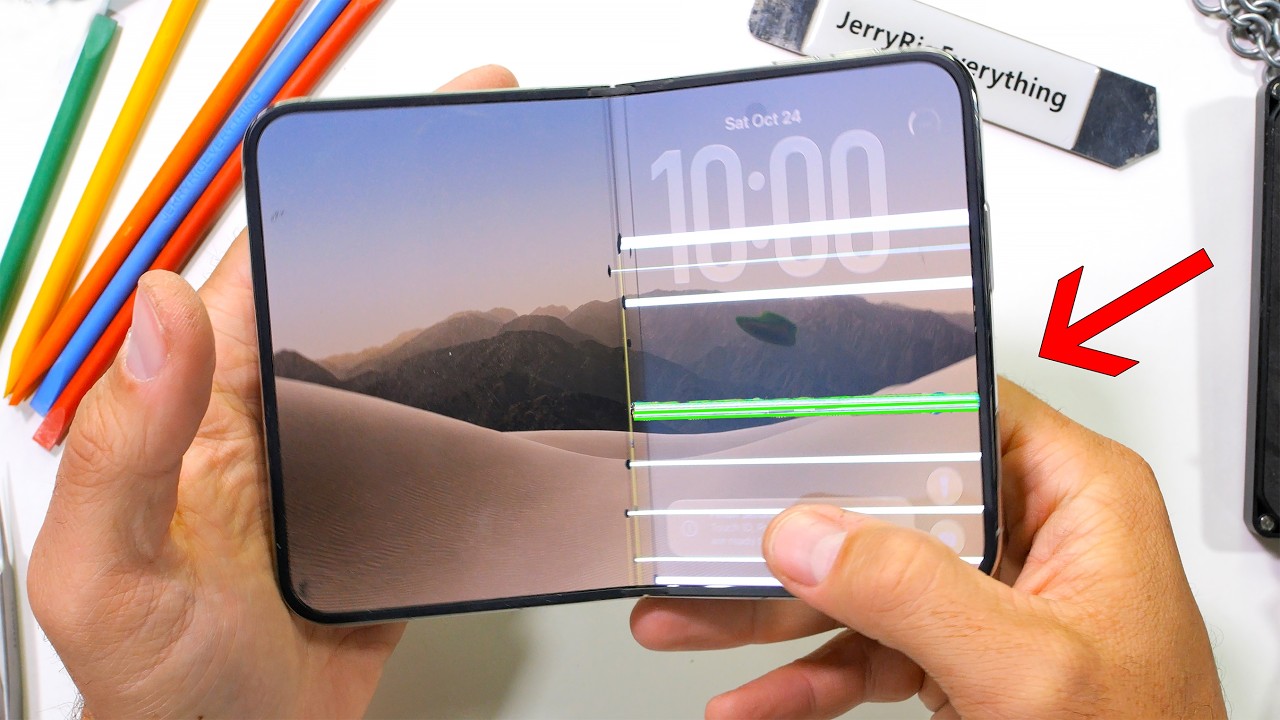
This is why the IP68 rating on the Duo can be seen as misleading. The rating wasn't necessarily obtained dishonestly, but the 6 in IP68 implies impermeability to dust and particles. However, real-world examples and Jerry's video show that's not the full picture.
The movement is where the vulnerability is, as with every foldable phone before the iPhone Duo. Our advice is not to take the rating at face value.
That said, the water side of the rating is actually up to par. Reviewer Michael Fisher submerged the iPhone Duo in a warm, chlorinated hot tub, and the phone survived just fine, so you can trust at least the water-resistance side of the certificate.
Who is the iPhone Duo for?
The iPhone Duo launches on October 23rd. Given the hype and reported supply constraints, if you want one, you'll likely need to pre-order, as waiting could mean months of delay. Here's who the iPhone Duo is best suited for.
If you spend a lot of time outdoors, in nature, or around sand and dirt, the Duo may not be the right fit for you.
It isn't impossible to bring it to the beach, but even a strong gust of wind can push sand into the hinge. If that happens, you'll want to know your options:
Without AppleCare+, hinge damage would almost certainly fall under Apple's "other damage" category (Apple doesn't list hinge damage separately for AppleCare+ at the time of writing). "Other damage" repairs could be up to $1,499 out of pocket, which is more than some non-folding phones cost outright.
With AppleCare+, the same incident is covered as accidental damage for just $99 (the plan covers incidents of physical damage from unexpected events). Now that the plan has moved to a monthly/yearly subscription, its ongoing cost is lower than what it used to be. And, for a phone this expensive, I'd say getting AppleCare+ is a non-negotiable rather than optional.
The Duo is best suited for people who take good care of their devices and spend most of their time in controlled environments such as homes, offices, and urban settings.
Yes, cases of people using foldables without much care and getting away with it do exist, but reports of hinges showing damage after a few weeks are way more common. This is simply the trade-off of a phone that folds: they are not that fragile, but they are not built for rough use either.
Keep in mind that even light outdoor activity carries risk. A bit of playtime with the kids in the garden or near a sandbox may be enough to cause damage to any foldable phone. With time, manufacturers will find better solutions, but that day hasn't come yet.
If you're not prepared to be intentional about how you handle the phone, the Duo's price tag could make that a costly lesson.
If you want a flagship iPhone without the trade-offs, consider these instead
The iPhone 18 Pro is a non-foldable alternative to the iPhone Duo. | Image by PhoneArena
If the Duo's durability limitations are making you hesitate, or if you just want a top-tier iPhone that you can use more freely – the iPhone 18 Pro lineup is the natural alternative. Both models share the same A20 Pro chip and IP68 rating as the Duo, without a hinge in sight.
iPhone 18 Pro: great if you want the full current-generation flagship experience in a more pocketable form. The 18 Pro is powered by the same chip as the Duo, has all the same camera capabilities, and costs significantly less. If the Duo's large-screen appeal isn't essential to you, this is the one to go for.
iPhone 18 Pro Max: this is the model for you if what draws you to the Duo is the screen real estate. The Pro Max gives you a 6.9-inch display on a traditional, hinge-free body. It's the closest you can get to the Duo's large-screen experience without any of the mechanical vulnerability.
Iskra Petrova is a news writer at PhoneArena, where she covers mobile tech news and maintains the site’s device hubs with the latest leaked specs, rumors, and official details for upcoming phones. She joined PhoneArena in 2020 after three years in technical support for Microsoft Exchange, giving her practical experience with software infrastructure and troubleshooting. Iskra holds a Master’s Degree in Literature, which helps her translate complex tech details into clear, reader-friendly coverage. She is a daily Apple ecosystem user, while also closely following Sony Xperia’s camera-focused phones and Samsung’s Galaxy Z Flip series.
A discussion is a place, where people can voice their opinion, no matter if it
is positive, neutral or negative. However, when posting, one must stay true to the topic, and not just share some
random thoughts, which are not directly related to the matter.
Things that are NOT allowed:
Off-topic talk - you must stick to the subject of discussion
Offensive, hate speech - if you want to say something, say it politely
Spam/Advertisements - these posts are deleted
Multiple accounts - one person can have only one account
Impersonations and offensive nicknames - these accounts get banned
To help keep our community safe and free from spam, we apply temporary limits to newly created accounts:
New accounts created within the last 24 hours may experience restrictions on how frequently they can
post or comment.
These limits are in place as a precaution and will automatically lift.
Moderation is done by humans. We try to be as objective as possible and moderate with zero bias. If you think a
post should be moderated - please, report it.
Have a question about the rules or why you have been moderated/limited/banned? Please,
contact us.









Things that are NOT allowed:
To help keep our community safe and free from spam, we apply temporary limits to newly created accounts: