Best small phones of 2026: Our top choices tested and reviewed
We may earn a commission if you make a purchase from the links on this page.
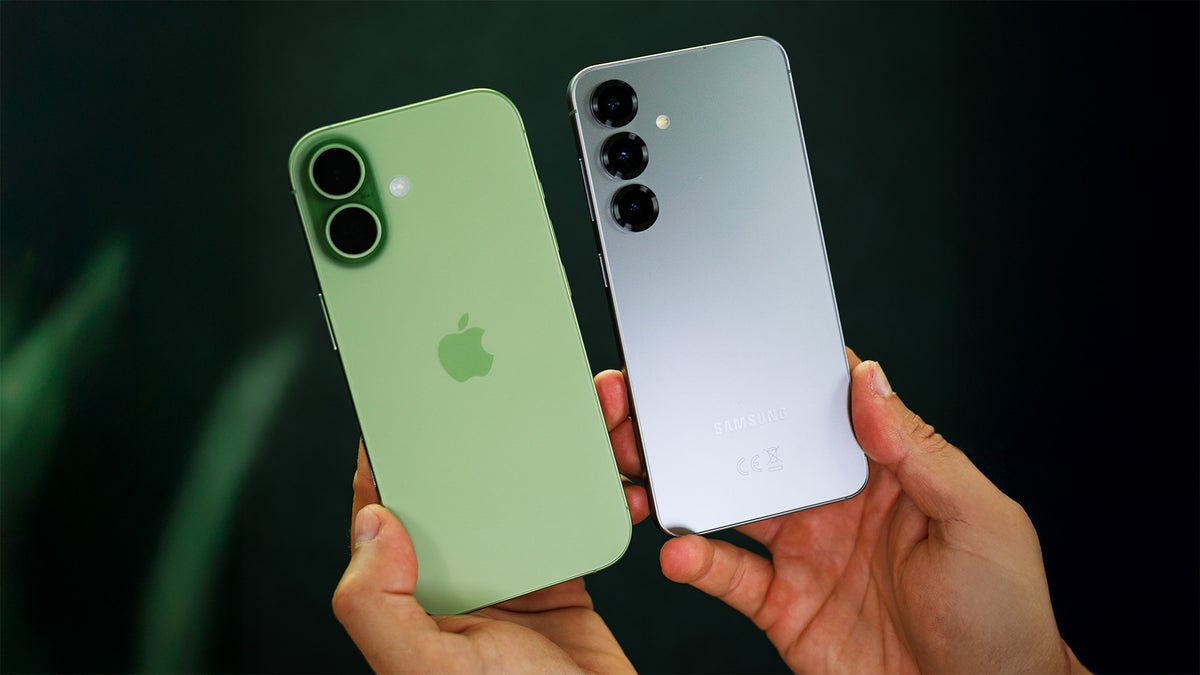
Where did all the cute little smartphones go? Remember "big" 5-inch phones when they first came out? People thought they were huge! The screen size started to crawl up slowly but surely, and nowadays we have these 7-inch monstrosities we still call phones (they used to be called phablets back in the day).
Then what is a compact phone in 2026? Does it still exist? And most importantly, what is the best compact smartphone you can buy right now?
As a compact phone aficionado (rocking the iPhone 12 mini for the longest time, and lamenting the untimely demise of the Zenfone compact line) I've compiled a list of the best small and compact phones in various categories based on our extensive experience and industry insight, as well as thorough testing in our secret lab.
Then what is a compact phone in 2026? Does it still exist? And most importantly, what is the best compact smartphone you can buy right now?
As a compact phone aficionado (rocking the iPhone 12 mini for the longest time, and lamenting the untimely demise of the Zenfone compact line) I've compiled a list of the best small and compact phones in various categories based on our extensive experience and industry insight, as well as thorough testing in our secret lab.
Jump to:
Best Overall Small Phone
Apple iPhone 17
Screen size: 6.3 inches
Screen-to-body ratio: ~91%
Dimensions: 149.6 x 71.5 x 7.95 mm
Weight: 177 grams
Dimensions: 149.6 x 71.5 x 7.95 mm
Weight: 177 grams
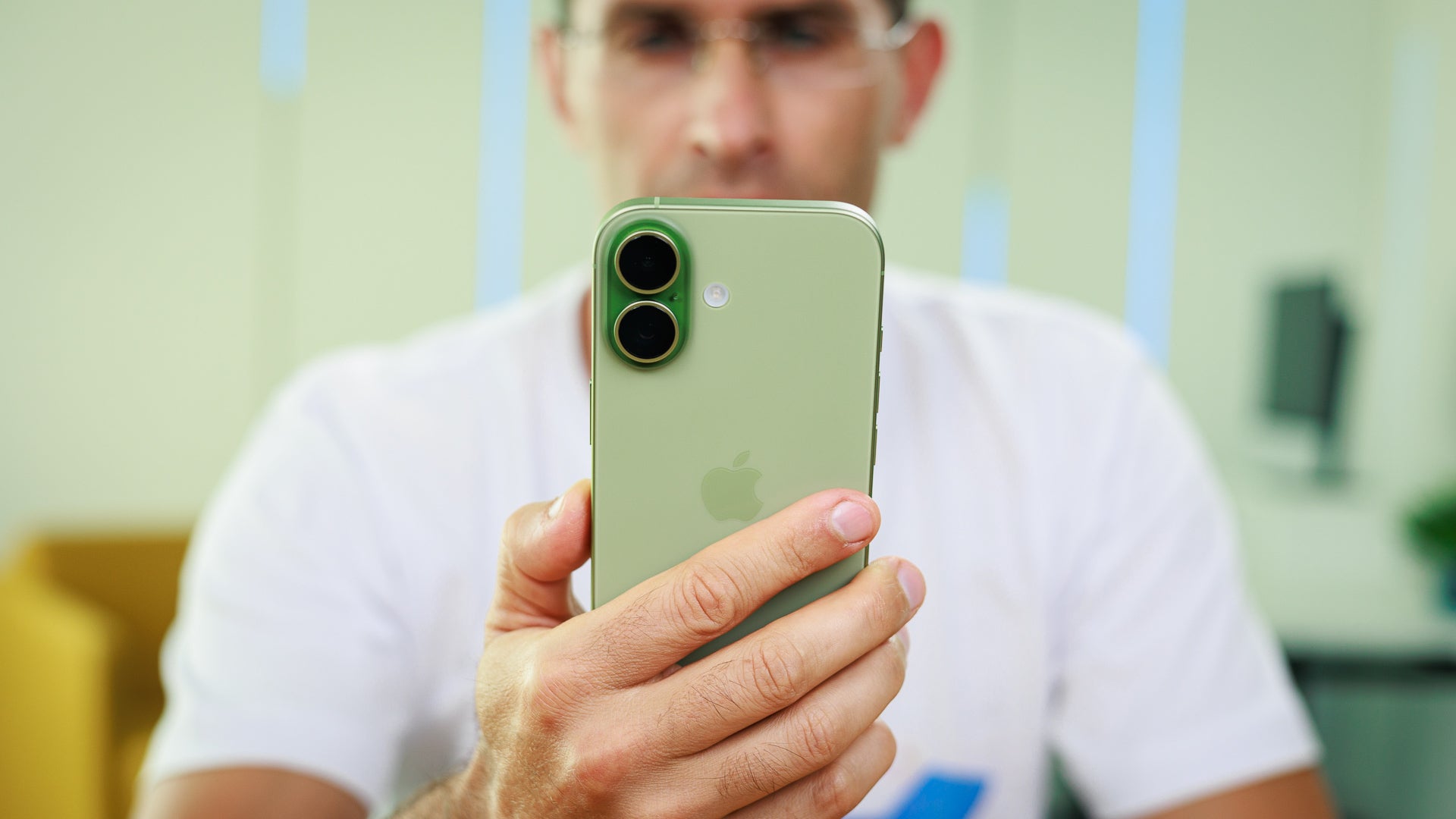
The iPhone 17 offers plenty in a compact package | Image by PhoneArena
The iPhone 17 is Apple's take on the vanilla compact flagship phone. While the screen is slightly bigger than previous vanilla iPhones (6.3" vs 6.1" before), the bezels around the screen are smaller and the iPhone 17 remains practically as compact as before.
Why I Picked It?
I found the iPhone 17 lightweight and compact on top of the flagship hardware it sports. It might not be the lightest or the most compact (the S25 wins on both of these fronts), but it's a great package for iOS users who want a compact flagship with minimum compromise.
Who's It For?
I've always been a fan of small phones, and the discontinuation of the iPhone 13 mini was a serious blow. Well, the iPhone 17 is its modern substitute.
It's also an extremely strong value offer considering that its Android rivals have less storage at the same price. Let's also not forget its industry leading video quality, front camera, and the advantages of the Apple ecosystem with iMessage, AirDrop and so on.
Read More:
Key Apple iPhone 17 specs:
- Compact 6.3-inch screen size
- Apple A19 chipset
- Apple Intelligence
- Very good dual camera system
- $799 price tag
Best Very Small Phone
Samsung Galaxy S26
Screen size: 6.3 inches
Screen-to-body ratio: ~90%
Dimensions: 149.6 x 71.7 x 7.2 mm
Weight: 167 grams
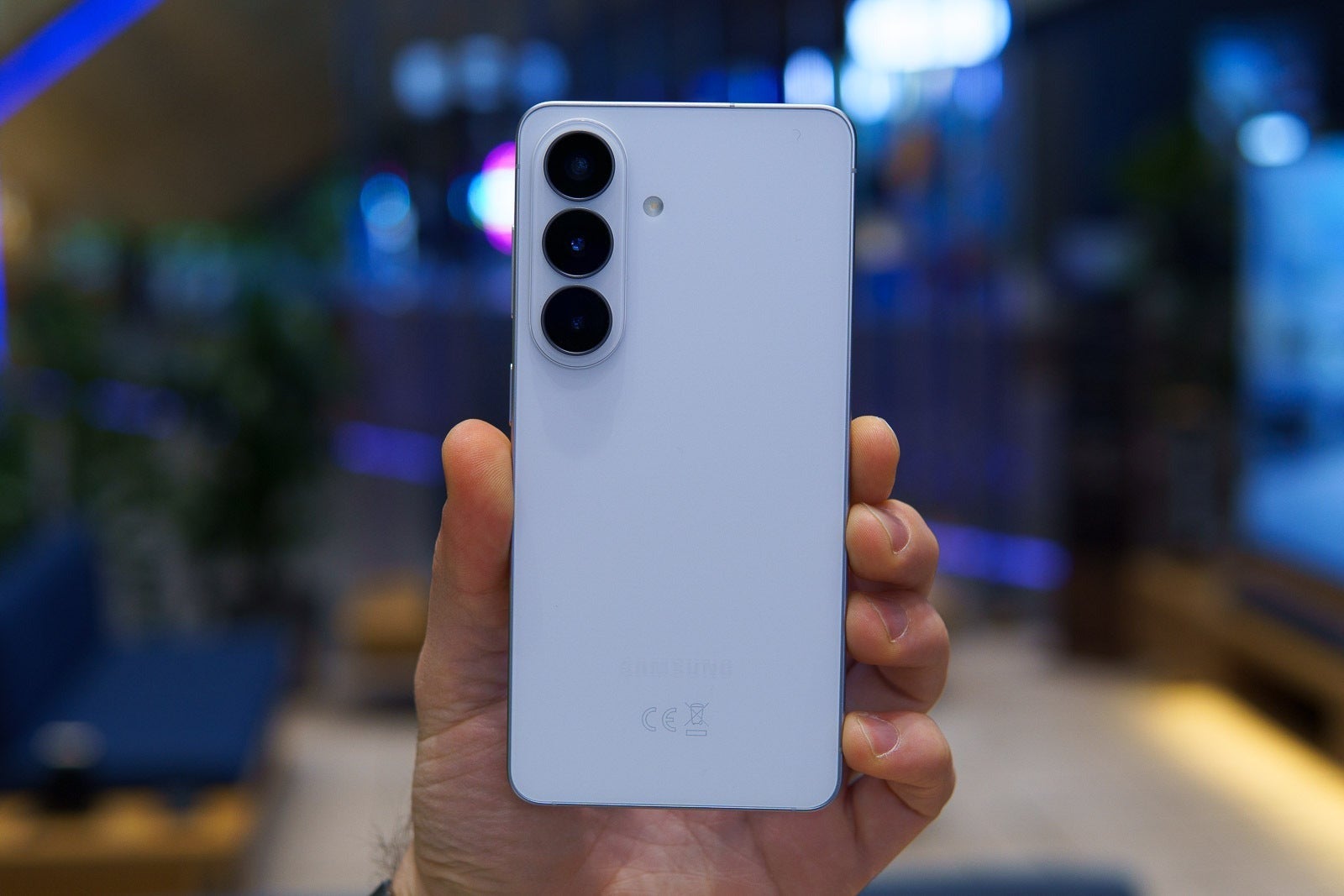
The Galaxy S26 is the most compact and lightweight flagship out there. | Image by PhoneArena
The Galaxy S26 continues Samsung’s tradition of offering one of the most compact flagship Android phones on the market. In a world where most “compact” phones are creeping toward 6.3-inch displays and nearly 200 grams of weight, the Galaxy S26 still feels refreshingly small and light.
During my testing, the phone proved extremely easy to use with one hand and very pocketable. Anyone coming from devices such as the Asus Zenfone 10 or older compact phones will feel right at home.
During my testing, the phone proved extremely easy to use with one hand and very pocketable. Anyone coming from devices such as the Asus Zenfone 10 or older compact phones will feel right at home.
Why I Picked It?
At just 167 grams, the Galaxy S26 is still one of the lightest flagship phones you can buy. Many phones with similar screen sizes weigh much more, so the S26 instantly feels lighter and easier to handle.
The phone is powered by the Snapdragon 8 Elite Gen 5 chipset, delivering flagship-level performance for everyday tasks and demanding apps. You also get a bright AMOLED display, Samsung’s latest Galaxy AI features, and the company’s long-term seven-year software support.
Unlike many compact phones that only include two cameras, the Galaxy S26 still features a triple-camera system with a 3x telephoto lens. This gives it far more versatility than most phones in the same size class.
The biggest compromise is battery life. Smaller phones simply cannot fit the biggest batteries, so the S26 won’t last as long as larger flagships.
The phone is powered by the Snapdragon 8 Elite Gen 5 chipset, delivering flagship-level performance for everyday tasks and demanding apps. You also get a bright AMOLED display, Samsung’s latest Galaxy AI features, and the company’s long-term seven-year software support.
Unlike many compact phones that only include two cameras, the Galaxy S26 still features a triple-camera system with a 3x telephoto lens. This gives it far more versatility than most phones in the same size class.
The biggest compromise is battery life. Smaller phones simply cannot fit the biggest batteries, so the S26 won’t last as long as larger flagships.
Who's It For?
If you want the smallest Android flagship that still delivers a full flagship experience, the Galaxy S26 is one of the best choices available.
For people who miss the era of truly compact smartphones, this device comes close while still delivering modern performance and long-term software support.
For people who miss the era of truly compact smartphones, this device comes close while still delivering modern performance and long-term software support.
Read More:
Key Galaxy S26 specs
- Compact 6.3" size
- Snapdragon 8 Elite Gen 5
- 12 GB RAM
- 256 GB / 512 GB storage
- "Galaxy AI" features
- Triple-camera system with 3x zoom
- 4300mAh battery
- $800 starting price
Best Small Phone for Photography
Google Pixel 10 Pro
Screen size: 6.3 inches
Screen-to-body ratio: ~87%
Dimensions: 152.8 x 72 x 8.6 mm
Weight: 207 grams
Weight: 207 grams
The Pixel 10 Pro may not be the most compact flagship out there (actually, it's right on the limit with its 6.3-inch display), but Google has managed to produce one amazing small phone for photography enthusiasts.
I've always been a fan of the Pixel series but the Pro model was always too big for my taste. Well, Google read my thoughts and shrunk the Pixel Pro last year, and we now have the latest 10 Pro XL with top-notch camera.
Why I Picked It?
The versatile triple camera system scored very high in PhoneArena's composite camera benchmark, with one of the highest results for the main camera. There's also a high-pixel-count ultrawide camera and a 5x periscope zoom lens in this compact package.
Even though this phone comes with a 6.3-inch screen, the overall dimensions are not far off from much more compact phones, especially when we look at the width (much more important for subjective feel in the hand, I personally didn't have any troubles with one-handed operation).
While the weight is quite hefty at 207 grams, you get a massive, 4,870 mAh battery in exchange. Not bad!
The latest Tensor G5 chipset is the beating heart of this little beast, and it's Google's first Tensor chip manufactured by TSMC. The screen hits one of the highest brightness marks we have ever seen (I've tested this and it's one of the brightest phones I've ever held in my hand), and you get Android updates for seven long years.
Who's It For?
The Pixel 10 Pro is probably the best package Google has ever produced, and it costs on par with other flagships at $1,000. This phone is for everyone who wants a compact flagship with a great camera system. If you're like me, wishing the Pixel Pro was a tad smaller, now your wish has been granted! Get the Pixel 10 Pro.
Also Read: Google Pixel 10 Pro review
Key Google Pixel 10 Pro specs:
- 6.3-inch LTPO AMOLED screen (very bright)
- 50MP main camera
- 48MP telephoto with 5x zoom
- Google Tensor G5 chipset
- Seven years of major OS updates
- $1,000 price tag
Best Affordable Small Android Phone
Google Pixel 10a
Screen size: 6.3 inches
Screen-to-body ratio: ~83.5%
Dimensions: 154.7 x 73.3 x 8.9 mm
Weight: 186 grams
Weight: 186 grams
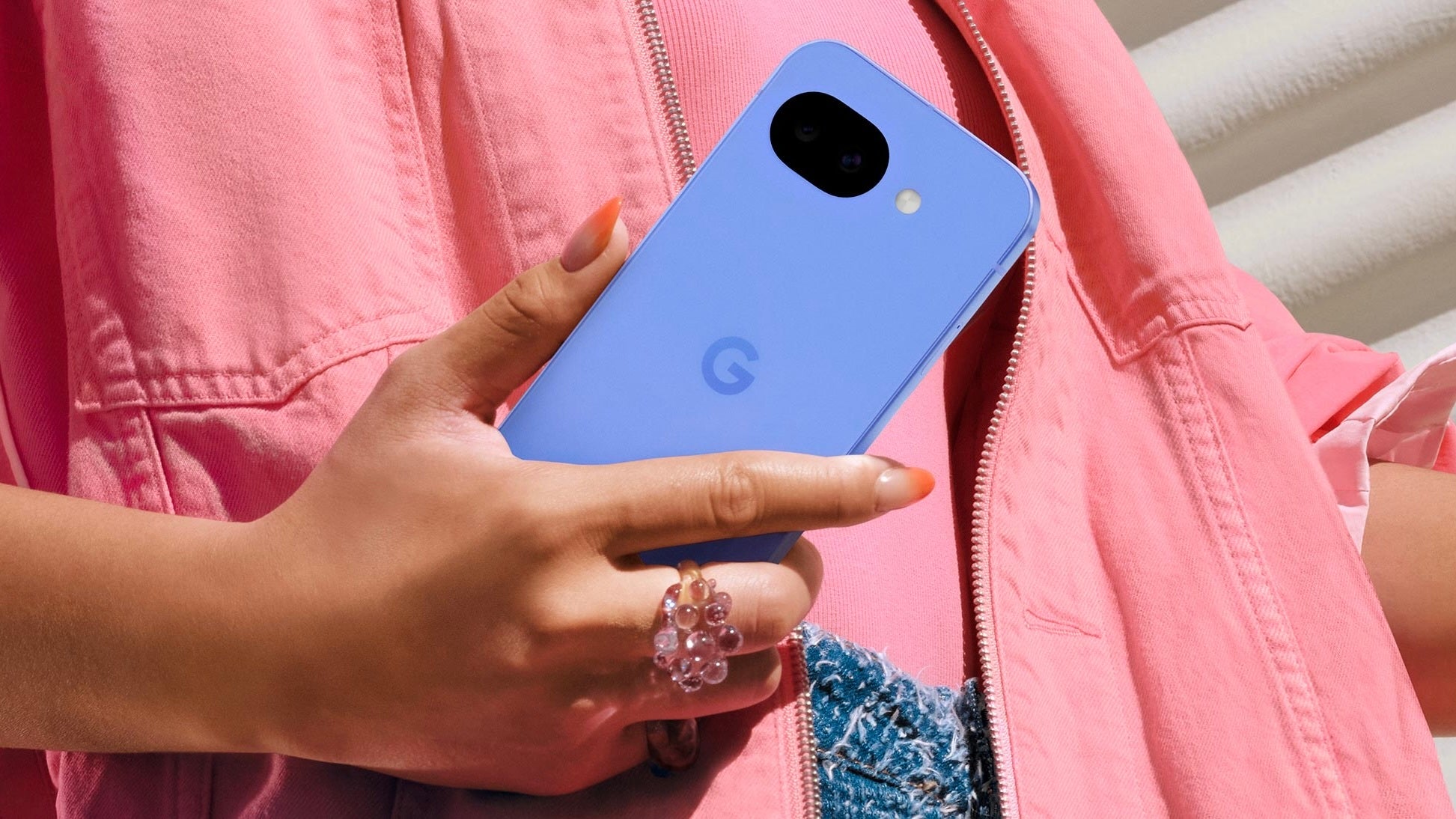
The Pixel 10a perfects the mid-range formula with a bump-free design | Image by PhoneArena
Why I Picked it
The Google Pixel 10a remains probably the best compact mid-range phone around. While it doesn't pack the latest Tensor G5 chip from the Pixel 10, it carries over the screen. The 3,000-nit Actua display is a massive upgrade for an A-series device, making it one of the few mid-range phones that is perfectly legible outdoors in the sun.
Design-wise, Google has finally embraced a completely flush back. Yes, this means that the phone no longer wobbles on a table, a small but significant quality-of-life win.
It also brings Satellite SOS to the A series for the first time. It’s also a great choice for anyone who wants Google’s AI tools, like Magic Editor and Gemini Live, without the flagship tax.
Who’s it For?
The Pixel 10a is the best phone for camera enthusiasts on a budget. If you care more about taking great photos than playing high-end mobile games, this is your device. It’s also the ideal choice for "long-haul" users, as the seven years of updates means this phone will still be receiving the latest Android in 2033. It’s also perfect for the person who wants a clean Android expreience.
Google Pixel 10a Key Specs:
- Processor: Google Tensor G4
- Battery: 5,100 mAh
- Charging: 30W Wired; 15W Wireless (No Qi2/PixelSnap)
- Display: 6.3-inch Actua OLED with 120Hz refresh rate
- Cameras: 48MP Main (f/1.7), 13MP ultrawide
- Durability: IP68 water/dust resistance
- Software: Android 16 with 7 years of OS updates
Best Affordable Small iPhone
iPhone 17e
Screen size: 6.1 inches
Screen-to-body ratio: ~87%
Dimensions: 146.7 x 71.5 x 7.8 mm
Weight: 169 grams
Weight: 169 grams
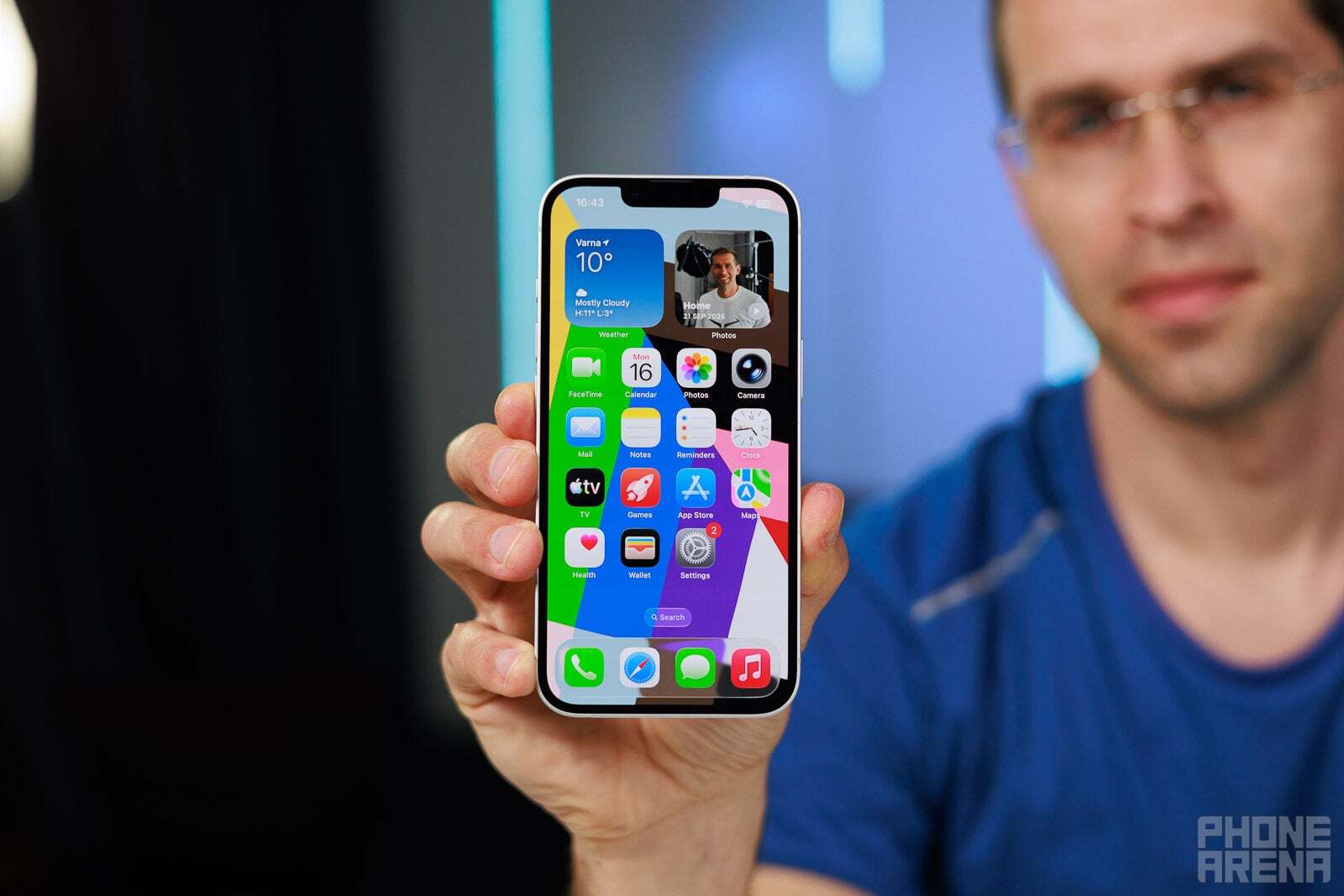
The iPhone 17e is Apple's most affordable compact iPhone | Image by PhoneArena
Apple refreshed its affordable iPhone lineup in 2026 with the iPhone 17e, a successor to the iPhone 16e that keeps the same idea of delivering the core iPhone experience in a compact and relatively affordable package.
While many fans still wish Apple would bring back the Mini series, the 17e is the closest thing today to a compact and affordable modern iPhone.
While many fans still wish Apple would bring back the Mini series, the 17e is the closest thing today to a compact and affordable modern iPhone.
Why I Picked It?
The biggest upgrade this year is the A19 chip, bringing flagship-level CPU performance to Apple’s most affordable new iPhone. This also enables Apple Intelligence features, ensuring the device stays capable for years.
Apple also fixed one of the biggest shortcomings of the previous model by adding MagSafe support, allowing magnetic chargers and accessories.
The phone keeps the familiar formula: a 6.1-inch OLED display, lightweight design, and a 48MP Fusion camera capable of 2x “optical-quality” zoom. While the camera setup is simpler than many Android competitors, Apple focuses on computational photography and consistent results.
Another improvement is the base storage, which now starts at 256GB while keeping the same $599 price tag.
Apple also fixed one of the biggest shortcomings of the previous model by adding MagSafe support, allowing magnetic chargers and accessories.
The phone keeps the familiar formula: a 6.1-inch OLED display, lightweight design, and a 48MP Fusion camera capable of 2x “optical-quality” zoom. While the camera setup is simpler than many Android competitors, Apple focuses on computational photography and consistent results.
Another improvement is the base storage, which now starts at 256GB while keeping the same $599 price tag.
Who's It For?
If you want a compact iPhone with modern performance and long software support, the iPhone 17e is the most affordable way to get it.
It’s ideal for users upgrading from older iPhones who want strong performance and Apple ecosystem features without paying flagship prices.
It’s ideal for users upgrading from older iPhones who want strong performance and Apple ecosystem features without paying flagship prices.
Read more: iPhone 17e release date, price, specs, and must-know features
Key Apple iPhone 17e specs
- 6.1-inch OLED screen, 60Hz
- A18 chip with 8GB RAM
- 48MP main camera
- No ultra-wide camera, no MagSafe
- $599 starting price
Best Small Flip Phone
Motorola Razr Ultra (2025)
Screen size: 7 inches main, 4 inches cover
Screen-to-body ratio: ~84.1%
Unfolded: 171.5 x 74 x 7.2 mm
Folded: 88.1 x 74 x 15.7 mm
Weight: 199 grams
Unfolded: 171.5 x 74 x 7.2 mm
Folded: 88.1 x 74 x 15.7 mm
Weight: 199 grams
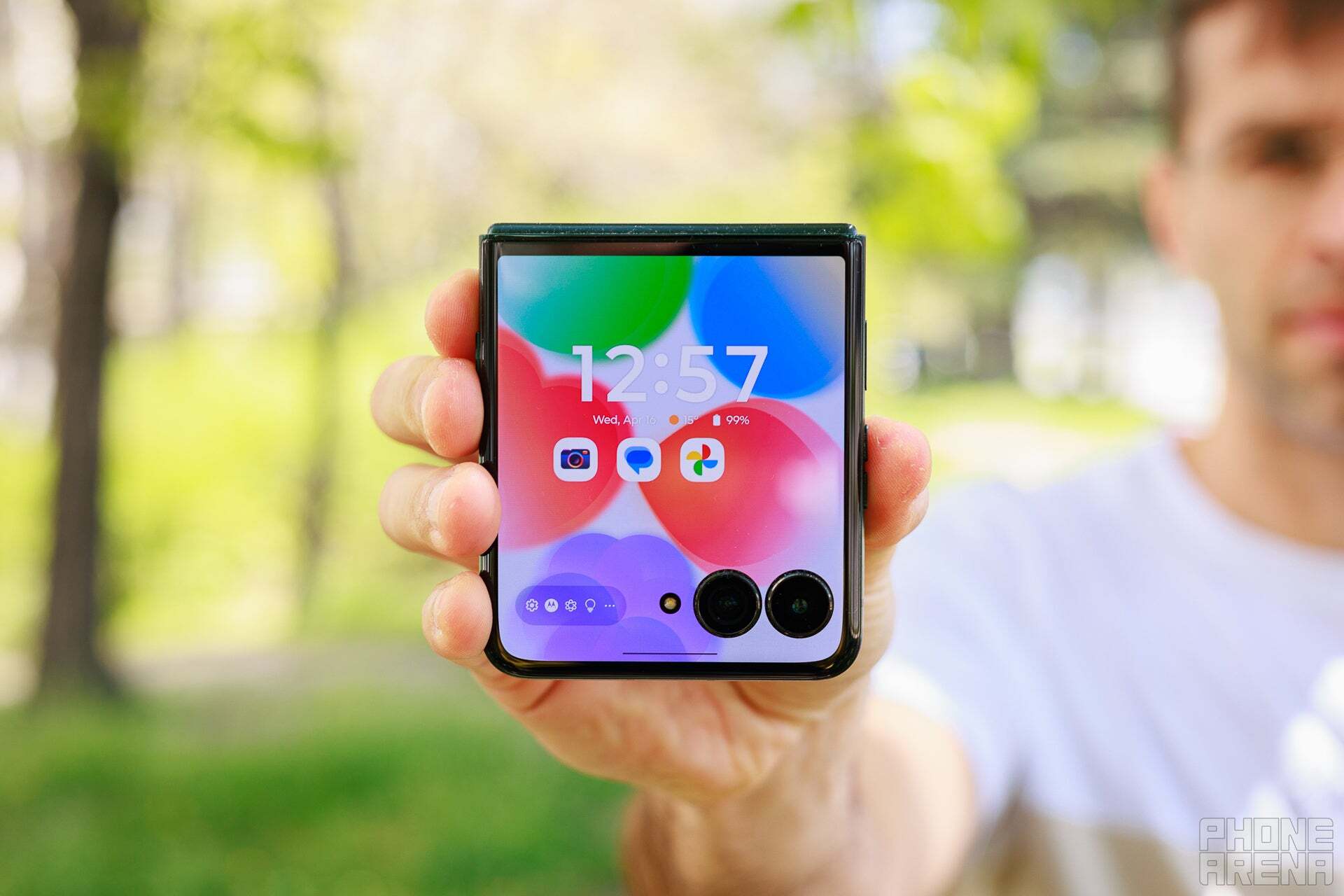
You can make a phone compact by folding it in half - enter the Motorola Razr Ultra | Image by PhoneArena"
Flexible display tech brought back flip phones in a very different flavor. We can now have a big 7-inch screen and at the same time fold it into a compact square to go inside our pocket. As a big fan of the original Motorola Razr and flip phones in general (there's something cool in flipping a phone open), the resurgence of the flip form factor warms my heart.
Why I Picked It?
The Motorola Razr Ultra (2025) stands at the top of the flip phone food chain, and it also makes historical sense. Motorola's first Razr phone was very successful back in the day, some might even say iconic (I still have one purple V3 laying around in perfect working order).
The latest iteration of the modern flip phone comes with a big and bright 7-inch display coupled with a 4-inch cover screen that's actually pretty useful. This phone is a full-fledged flagship.
The Motorola Razr (2025) comes equipped with the latest Snapdragon 8 Elite chipset, it has two potent 50MP cameras, and a large 4,700 mAh battery. It's one of the best flip phones period, and also a very good way to go compact, especially if you like flip phone design.
I also tested the hinge mechanism and it felt pretty solid. In my opinion, Samsung has some work to do to catch up with Motorola when it comes to flip phones.
The drawbacks are tied to the form factor - the phone gets pretty thick when folded, and unfolding it on a regular basis might annoy some people. Plus the price is a bit on the steep end.
Who's It For?
The Motorola Razr Ultra (2025) is for people who like the flip form factor and want the absolute best in terms of hardware and software. The price tag might be a little high, but it's the best flip phone out there currently.
Key Motorola Razr Ultra (2025) specs:
- Big main 7-inch screen
- Usable 4-inch cover display
- Snapdragon 8 Elite chipset
- 4,700 mAh battery
- Fast charging
Best Affordable Small Flip Phone
Motorola Razr (2025)
Screen size: 6.9 inches main, 3.6 inches cover
Screen-to-body ratio: ~84.9%
Unfolded: 171.3 x 74 x 7.3 mm
Folded: 88.1 x 74 x 15.9 mm
Folded: 88.1 x 74 x 15.9 mm
Weight: 188 grams
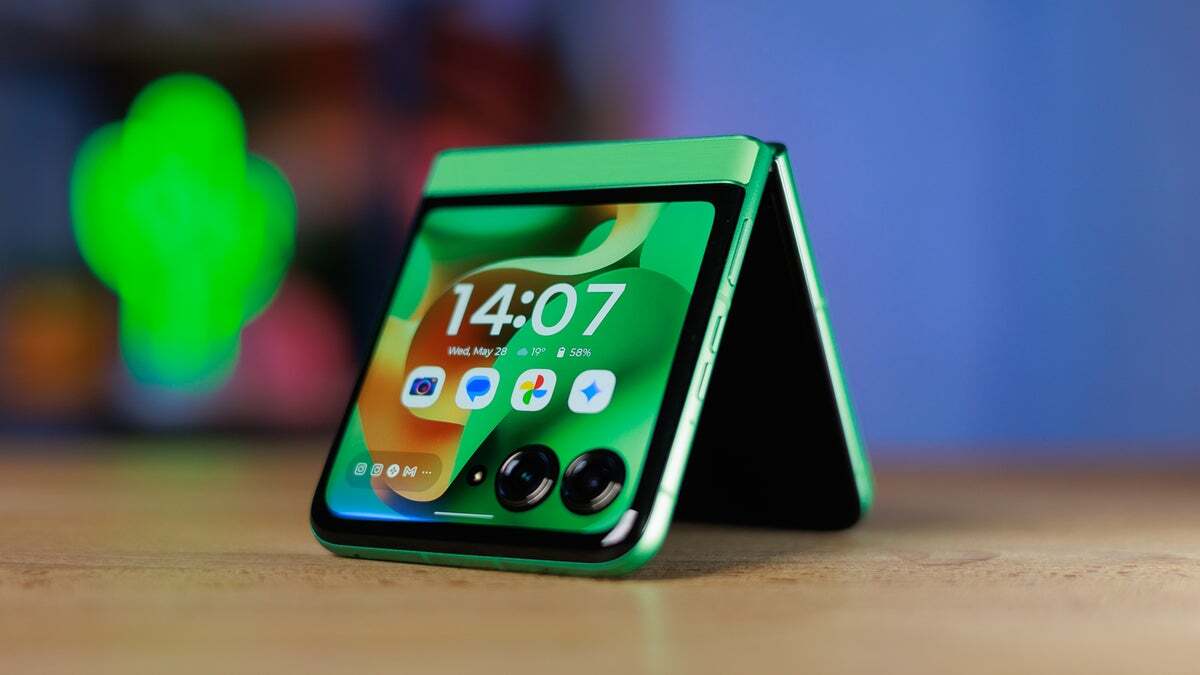
The Motorola Razr (2025) will get you the compact flip experience for just $699 | Image by PhoneArena
Foldable phones used to be a peculiarity and an expensive one at that. The Motorola Razr first changed the game back in 2023 with the affordable flip phone the company launched at $699. Now, two years later and several iterations in, the Motorola Razr (2025) is the best affordable flip phone you can get.
Why I Picked It?
This is the best bargain flip phone out there. There are some compromises to get the price that low, but we're all in for a budget foldable device to help with wider adoption.
You get a slightly smaller inner and outer screens in comparison with the Ultra, as well as a slightly less powerful MediaTek chip, a slightly less capable ultrawide camera and slower charging. Nothing major, though.
The core experience of a compact flip phone is still there, and at a pretty affordable price.
Who's It For?
This phone will appeal to people who prefer the flip design, and don't use telephoto cameras as much. If you don't like opening and closing a phone constantly, you should probably opt for a conventional bar-like phone.
Key Motorola Razr (2025) specs:
- Bright and vivid 6.9-inch screen
- Appealing design
- $699 price tag
- Lighter than most flip phones
Best Thin Phone
Apple iPhone Air
Screen size: 6.5 inches
Screen-to-body ratio: ~89.9%
Size: 156.2 x 74.7 x 5.6 mm
Weight: 165 grams
Screen-to-body ratio: ~89.9%
Size: 156.2 x 74.7 x 5.6 mm
Weight: 165 grams
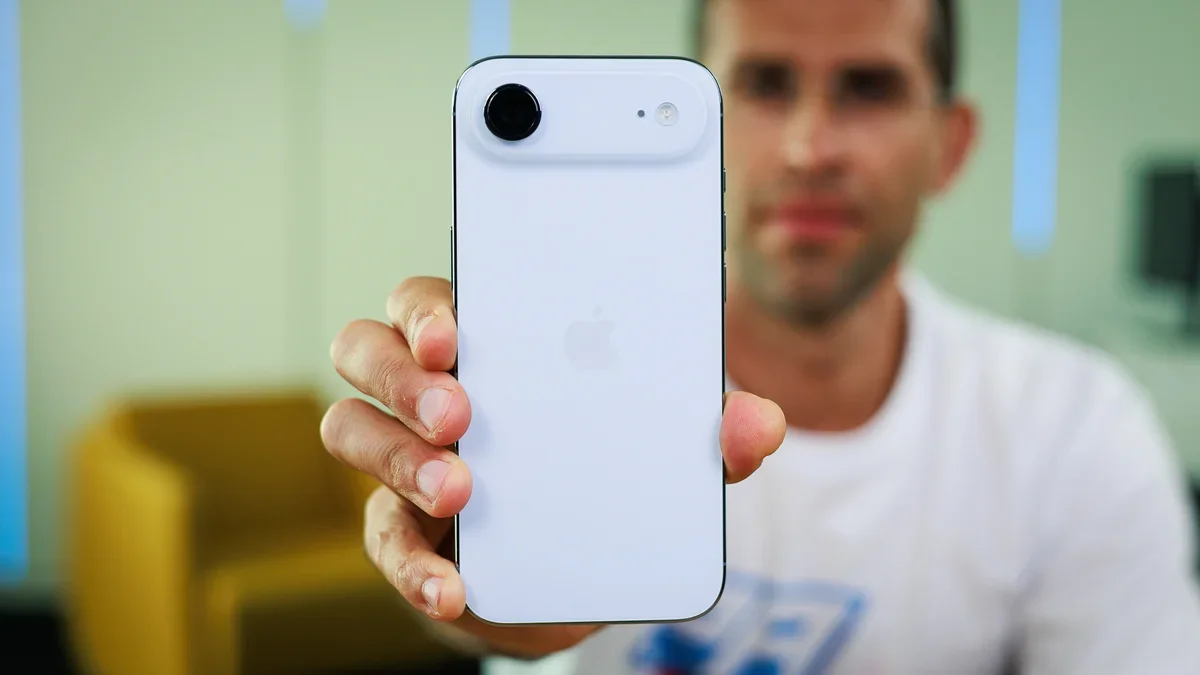
You have to hold the iPhone Air in your hand to understand its concept | Image by PhoneArena
The iPhone Air is arguably the hottest thing in smartphone tech, and it probably doesn't need an introduction, but for those of you who've just come from outer space, it's Apple's take on the thin phone.
Why I Picked It?
The iPhone Air is much larger than my initial size constraint that I used to define what a small phone is. However, the weight and thinness of this device make up for the larger footprint. Even though the screen is 6.5 inches, when you hold the iPhone Air in your hand, it does feel like a compact device, somehow.
It's an engineering marvel, and some people even think it's better than any foldable out there, in terms of size/weight ratio. For many people 6.5 inches is the perfect screen size, and when you couple this with the 165 grams the phone comes in at, it all falls in place.
Who's It For?
This is a weird one. On the one hand, the iPhone Air is a large 6.5-inch phone with just a single camera and a smallish battery. It also costs $1000 bucks, so it's not the most affordable one either. But on the other hand, the sheer lightness and thinness of this phone more than make up for those shortcomings.
Of course, it's not for everyone; if smartphone photography is your thing, the iPhone Air probably won't cut it. And if you travel a lot and need at least 24 hours of battery life, you might consider the MagSafe battery pack. But this amazingly thin phone is a joy to use and carry around too, so you should give it a go.
Of course, it's not for everyone; if smartphone photography is your thing, the iPhone Air probably won't cut it. And if you travel a lot and need at least 24 hours of battery life, you might consider the MagSafe battery pack. But this amazingly thin phone is a joy to use and carry around too, so you should give it a go.
Key iPhone Air specs:
- Ultrathin 5.6 mm design
- 6.5-inch screen (89.9% screen-to-body ratio)
- Fast Apple A19 Pro silicon
- Single 48MP main camera
- $999 price tag
What to Consider When Choosing a Compact Phone
One of the most important factors to consider when choosing a compact phone is its size. This is baked in the definition itself—compact. The height, width, and thickness of the phone govern how it would feel in your hand, but there are specifics.
If you want to be able to use your phone with one hand, the width plays an important role. The narrower the phone, the more thumb reach you will get and the easier it will be to operate it with one hand.
The weight of the phone is another key ingredient in this recipe, as a lightweight phone will be easier to carry and also less taxing on your hand when using it for long periods of time.
Unfortunately, you can't trick physics, and a smaller size and weight often come with compromises. Compact phones often come with smaller batteries, humbler camera systems, and not always the fastest chipsets out there.
And then there's the durability factor, especially if you go down the foldable route. Making a phone fold in half comes with an intrinsic compromise in durability. The screen has to be soft in order to bend, and this means it scratches much easier. The hinge where the phone is bending is a mechanism that might also fail, especially if it accumulates dust and dirt.
If you want to be able to use your phone with one hand, the width plays an important role. The narrower the phone, the more thumb reach you will get and the easier it will be to operate it with one hand.
The weight of the phone is another key ingredient in this recipe, as a lightweight phone will be easier to carry and also less taxing on your hand when using it for long periods of time.
Unfortunately, you can't trick physics, and a smaller size and weight often come with compromises. Compact phones often come with smaller batteries, humbler camera systems, and not always the fastest chipsets out there.
How PhoneArena Rates Smartphones
The primary metric is the overall phone rating. This score is a composite of 12 different factors that define the smartphone experience, including Battery Life, Camera Quality, Design, Performance, and more. Each factor is rated on a scale from 0 to 10, but their contribution to the final score varies—Battery Life, for instance, holds more weight than Design.
The "Price Class Average" metric is another very important part of the rating system, it compares the phone in question to other phones with similar specifications and price points. This gives additional context to the mean score, as it helps you quickly assess how a particular model stands within its category.
Of course, when we talk about compact phones, the main criterion is the size and weight. These don't negate the overall ratings for the models, just put an upper limit on the size of the screen.
Benchmark Tables
You'll find comparison tables below.
For more information visit our dedicated benchmark page.
What is a Small Phone in 2025?
In terms of weight, things are even more complicated. Normally, I would put the weight limit at 180 grams max, but there are exceptions. Flip phones, for example, can be heavier because of the hinge mechanism and the overall size of the phone when unfolded.
Found Your Perfect Small Phone?
So, there you have it. The best compact and small phones, neatly arranged and classified. You have options in every important category. If you want the smallest and lightest Android flagship, that's the Galaxy S25.
In the small phone for photography category your best bet is the Pixel 10 Pro, and if you want to go affordable, both the Pixel 9a and the iPhone 16e offer a lot of compact bang for your buck.
If you're into flip phones, the latest Motorola Razr models are great - the Razr Ultra (2025) is a true flagship that will get you everything a normal candy bar phone has but with the additional option to fold it in half. If you want to save some money, the vanilla Razr (2025) will give your the flip experience for just $699.
The iPhone Air is an odd one—it doesn't comply with my initial definition of a small phone, but it's so thin and lightweight that it feels small. You should at least try it out in a store and hold it in your own hand before you dismiss it as an option.
Be sure to also check out the Best Phones pick to see what the bigger picture is. If you're in the Android camp, head to the Best Android Phones, and if you want to save some cash and get the best bang for your buck, check out the Best Budget Phones article as well.


Popular stories



Latest News


Things that are NOT allowed:
To help keep our community safe and free from spam, we apply temporary limits to newly created accounts: