A few supply chain rumors pointed to hinge engineering hurdles that could push the launch to December. However, reputable Apple analyst Mark Gurman and other established leakers insist the September timeline is still on track, and say the rumors about the delay are unfounded.
Apple has also reportedly raised its initial orders for foldable displays from Samsung to 20 million units, up from an earlier estimate of 13-15 million – a jump that, if accurate, suggests Apple is confident in early demand.
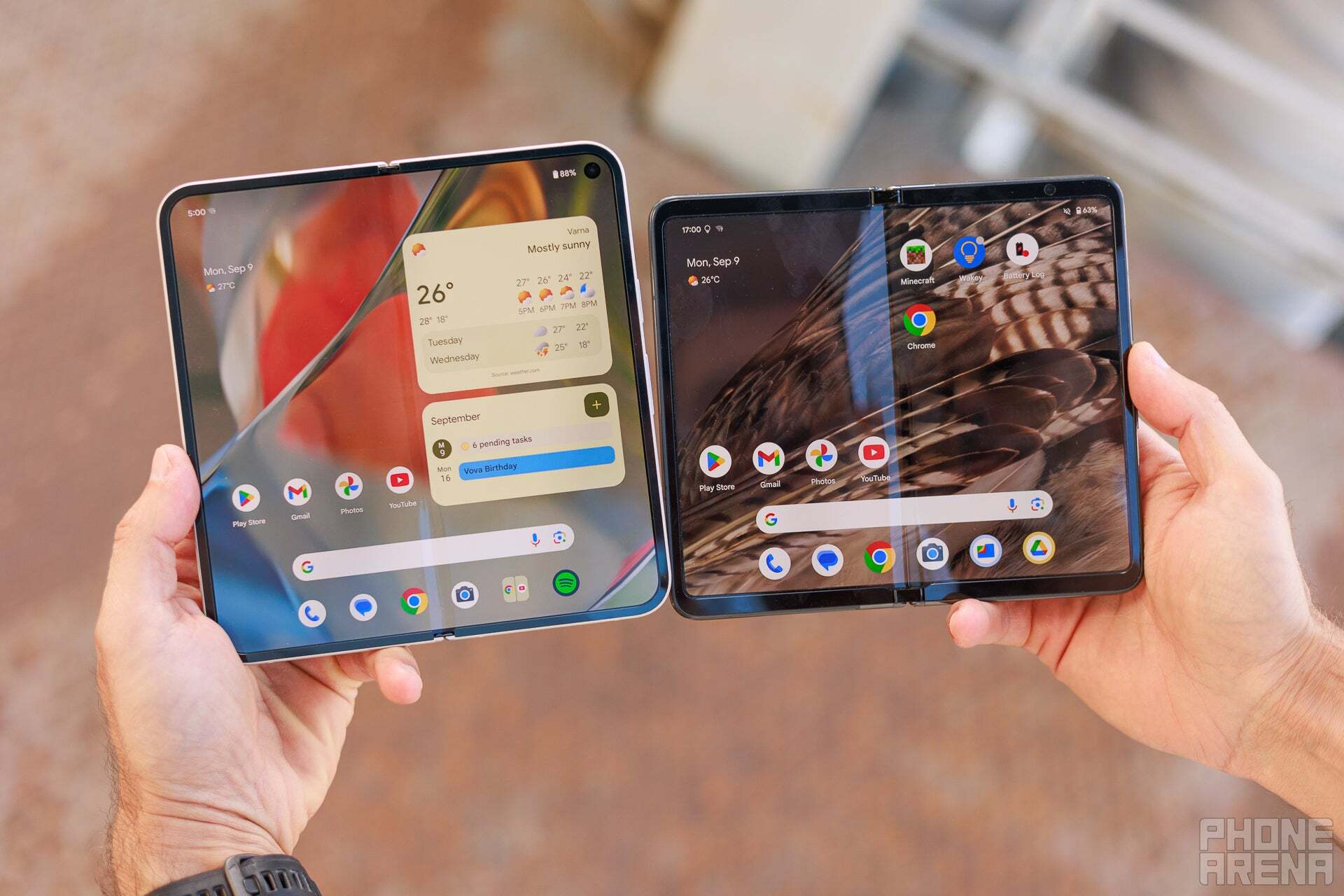
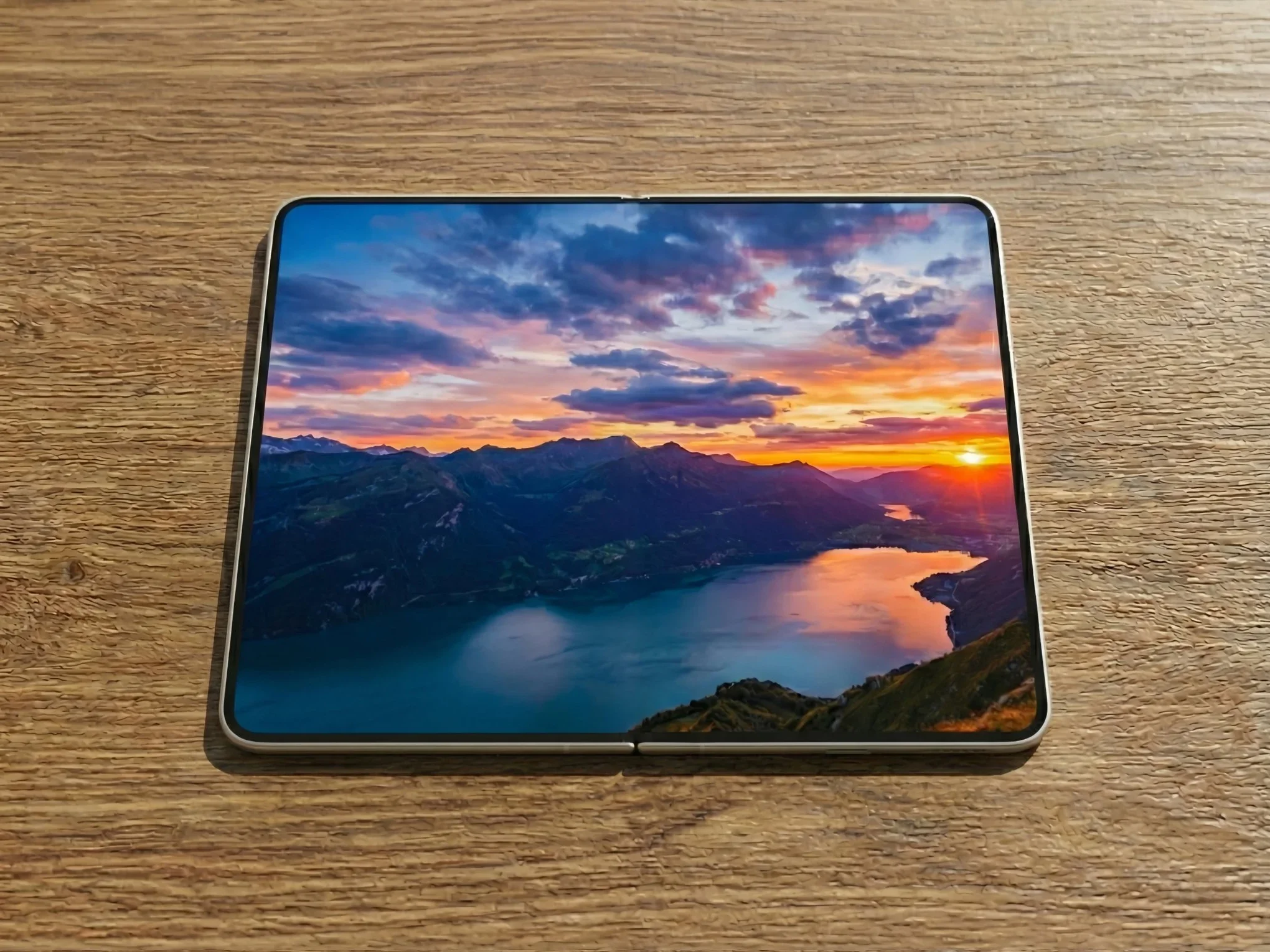
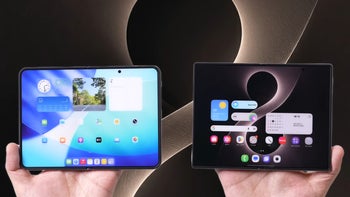
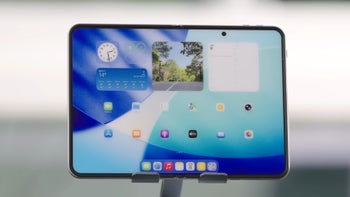
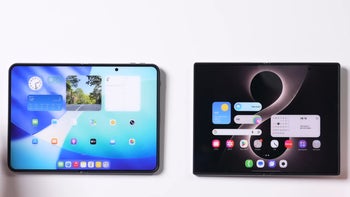
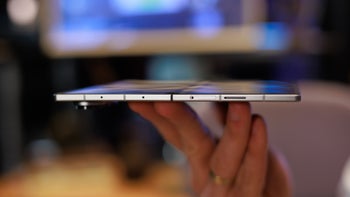
The foldable iPhone might be smaller and wider than other foldable phones on the market. It might look a lot like the Pixel Fold on the right. | Image by PhoneArena
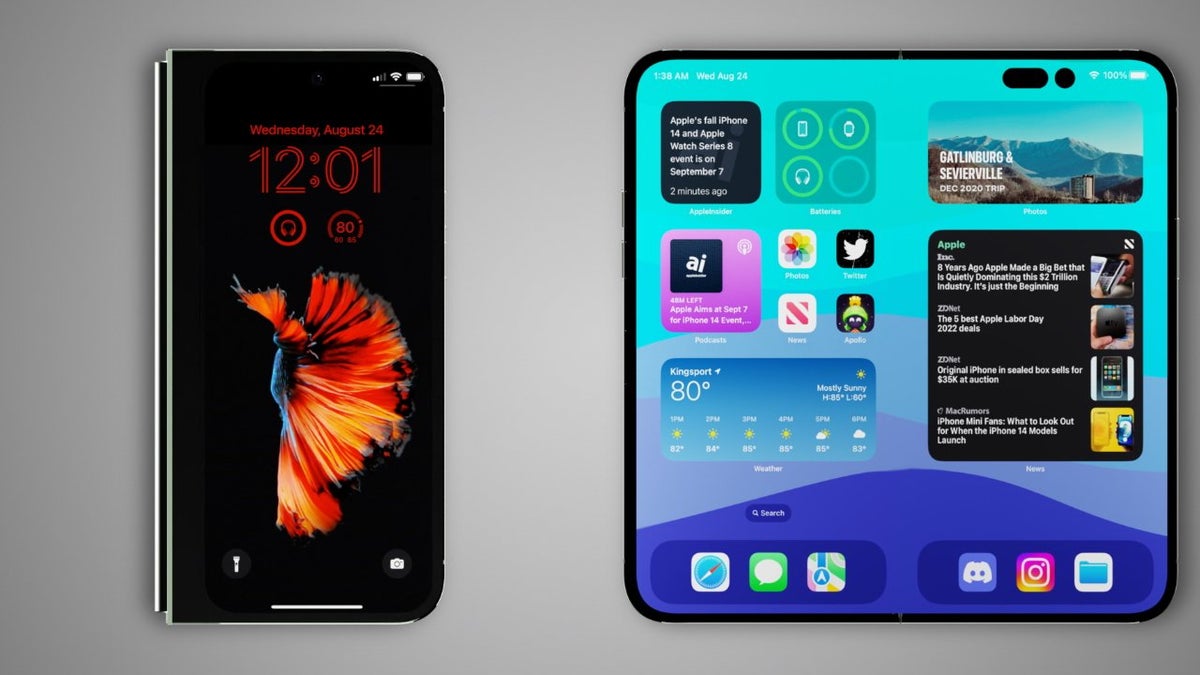
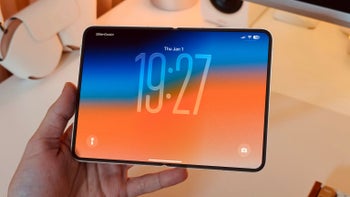
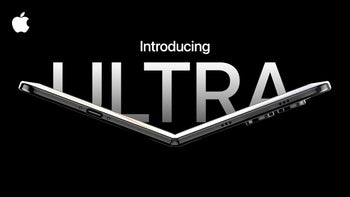
Apple's first foldable iPhone (or iPhone Ultra) is expected to use a book-style folding design with a wide aspect ratio, similar to the original Pixel Fold.
Analyst Jeff Pu expects a hybrid titanium-and-aluminum frame, contradicting earlier reports of a stainless steel-and-titanium hinge paired with a fully titanium casing.
The upside is pocketability: a more compact size would give the foldable iPhone a real edge for anyone who wants a foldable that still fits comfortably in a pocket or small bag – a sizable chunk of the foldable market Apple would be tapping into.
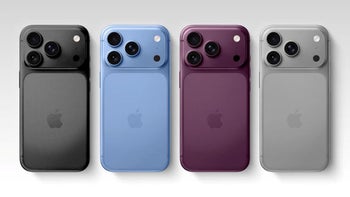
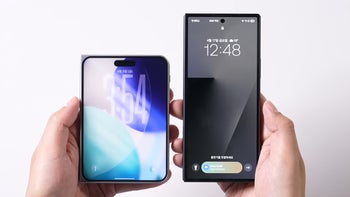
Dummy units of the iPhone 18 Pro Max, foldable iPhone, and iPhone 18 Pro. | Images by Images by Sonny Dickson
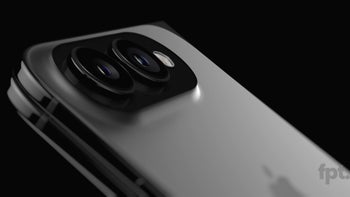
The foldable iPhone dummy features a camera plateau similar to the iPhone Air's. Up front, there's a distinct section that could house an under-display camera or a Dynamic Island-style cutout.
These are still early dummy units, so the final retail design will likely look more refined – though the core design direction already seems clear.
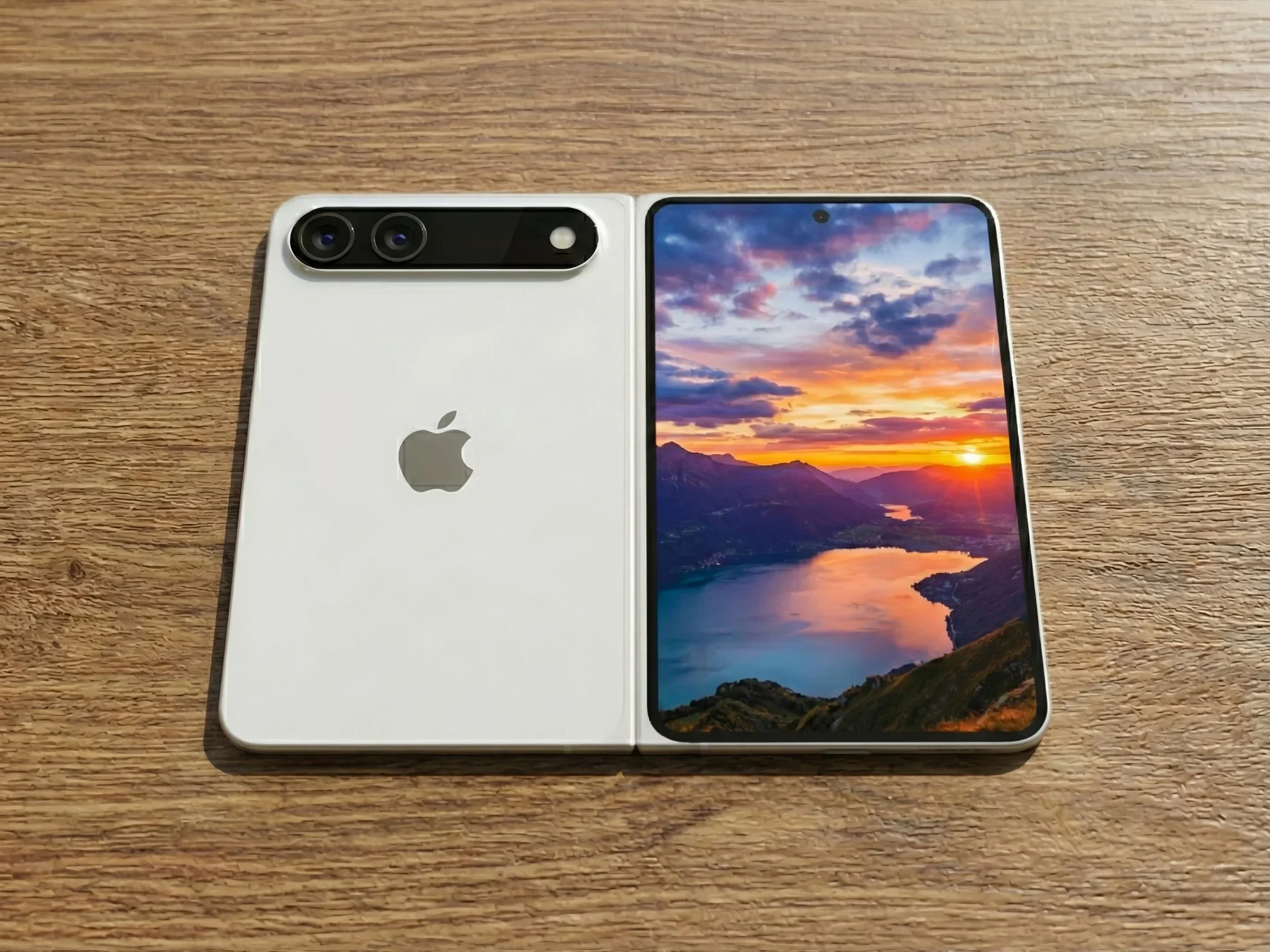
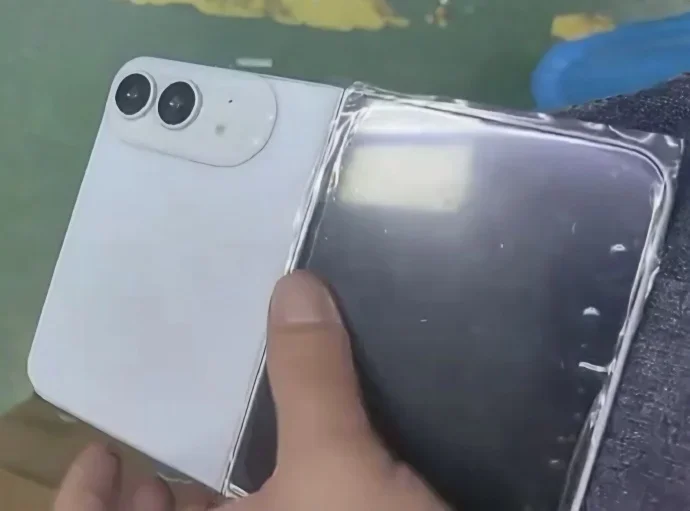
iPhone Ultra leaked dummy unit. | Images by Images by Sonny Dickson
The mockup shows an edge-to-edge cover screen with a centered, circular cutout for the front camera. If accurate, that circular cutout would mark a first for Apple. On the back, a horizontal bar houses two camera lenses. The tipster also suggests the phone may launch in a white color option exclusively.
The mockup also shows a faint crease running down the middle of the internal display. It's hard to judge final crease quality from an early mockup like this, but current expectations point to a minimal crease.
Leaked images from an accessory maker have also shown magnets built into a case for the device, hinting the foldable iPhone itself may skip built-in MagSafe and instead rely on the case to provide that functionality.
Alleged cases for the foldable iPhone. | Images by Images by Letem světem Applem
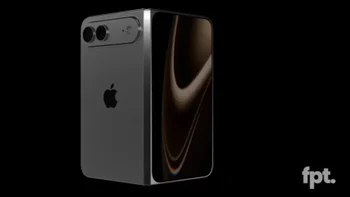
More renders of the foldable iPhone, backed by iOS 27 code. | Images by Images by Fpt.
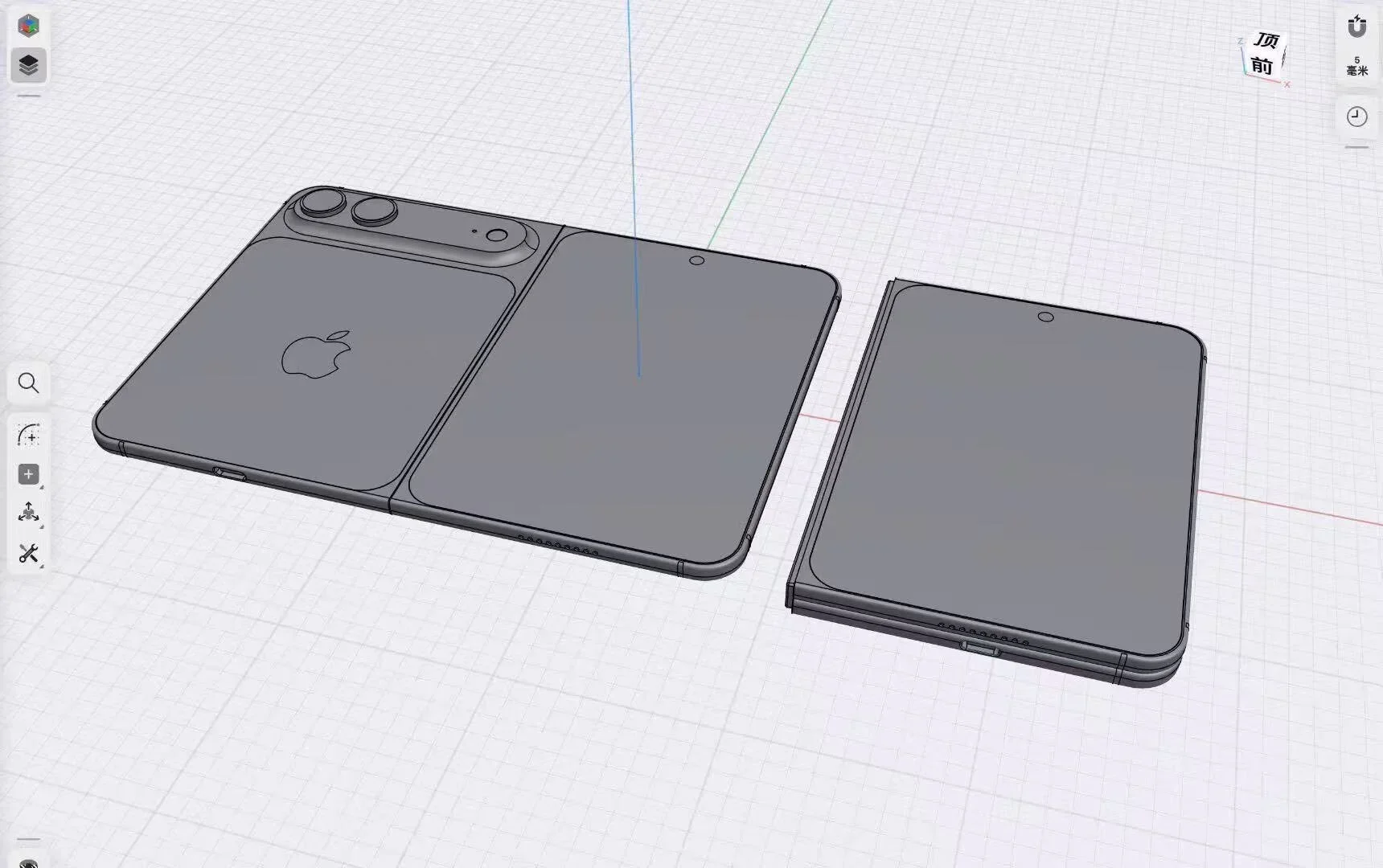
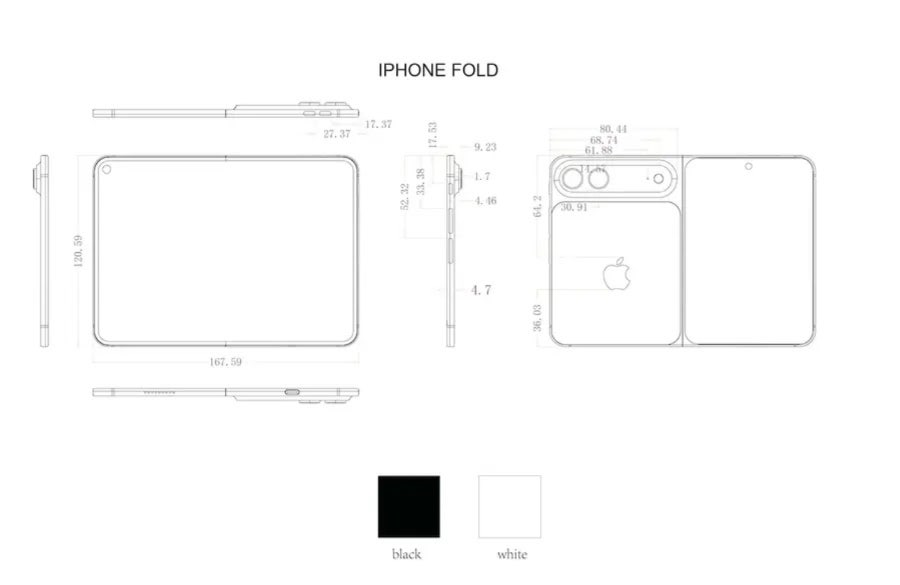
According to Prosser, the foldable iPhone may measure 4.5mm thick when unfolded – noticeably thinner than the iPhone Air's 5.6mm, currently Apple's thinnest iPhone. A separate schematics leak suggests a folded thickness of 9.3mm, slightly slimmer than the 9.5mm folded thickness Prosser has cited separately – so expect the final folded thickness to land somewhere around 9.3-9.5mm.
Potential schematics of the iPhone Ultra. | Image by Naver
Foldable iPhone thickness
For comparison, the Galaxy Z Fold 7 measures just 4.2mm thick when unfolded. Based on current rumors, Apple's foldable iPhone may end up slightly thicker than its closest Android competition.
Model
Thickness (Folded)
Thickness (Unfolded)
Foldable iPhone*
9.3 - 9.5 mm*
4.5 mm*
Oppo Find N5
8.9 mm
4.2 mm
Pixel 10 Pro Fold
10.8 mm
5.2 mm
Galaxy Z Fold 7
8.9 mm
4.2 mm
* - expected.
Hinge and crease
Apple may use UTG (Ultra-Thin Glass) for an exceptionally thin display (more on that below) and a less visible crease. However, if Apple relies on UTG exclusively, durability may not match foldables that use a hybrid glass solution instead.
Rumor has it Apple may use a 3D-printed titanium hinge, with a filler material to seal small gaps left by the 3D-printing process — a cheaper alternative to precision machining.
Apple's final color lineup for the foldable iPhone is reportedly still being finalized, according to trusted tipsters. The current consensus points to a minimalist lineup of White, Classic Silver, and a deep Indigo Blue – with the usual Space Black option noticeably missing from recent leaks.
iPhone Ultra dummy in white. | Image by Ice Universe
Authentication with Touch ID
The foldable iPhone may use Touch ID built into the side power button, offering a Face ID alternative better suited to a foldable's unique form factor.
Camera control button
The iPhone Ultra may also include a Camera Control button, similar to recent iPhone models (iPhone 16 and newer). Even with the device's slim profile, Apple reportedly insisted on keeping the button so the phone stays easy to use and shoot photos with one hand.
Expect the same Camera Control functionality found on other iPhones – quickly launching the camera, snapping a photo, or sliding to zoom.
Reportedly, foldable iPhone cases. | Images by Images by MajinBuOfficial
These accessories suggest the phone itself may lack internal magnets, relying entirely on specialized cases for magnetic accessory support – unlike recent iPhones, which feature built-in magnets.
Foldable iPhone display
Foldable iPhone displays rumored sizes:
7.8-inch inner screen
5.5-inch outer screen
Reportedly, the foldable display is primarily produced by Samsung, with LG Display as a secondary supplier. Apple is said to remain responsible for the proprietary structure, material processing, and laminated pressing method.
Crease or no crease
Rumors are divided on whether the foldable iPhone will have a visible crease.
Early leaks suggested Apple delayed its foldable market entry specifically to eliminate the crease – reportedly exploring some highly advanced, expensive hinge solutions to get there.
The crease on Apple's foldable is expected to measure under 0.15mm deep, with a fold angle of around 2.5 degrees – making it less visible than the Fold 7's 0.7mm-deep crease, angled between 3 and 4 degrees.
A separate report from Weibo claims the foldable iPhone's crease may still beat most of the competition, coming close to invisible.
UTG display
Rumor has it that Apple has settled on ultra-thin-glass tech (UTG) for the display, at under 30 micrometers thick. If accurate, that would trade off some durability in exchange for a less visible crease.
UTG is more flexible but less impact-resistant than standard glass, which is what allows for a less visible crease in the first place.
We expect a dual-camera system on board with the first foldable iPhone: a 48MP main camera and a 48MP ultra-wide.
With only two cameras, there's no telephoto lens – meaning the iPhone Fold won't match the zoom range of phones with a dedicated telephoto camera. By comparison, the Pixel 9 Pro Fold offers 5x telephoto zoom, so skipping that lens would be a real downside for anyone who cares about zoom photography.
Under-display selfie camera?
The foldable iPhone may not feature an under-display selfie camera, despite earlier reports suggesting otherwise.
Samsung used under-display selfie cameras on the Fold 4, Fold 5, and Fold 6, before dropping the tech with the Galaxy Z Fold 7. It's possible Apple decided the image quality from an under-display camera wasn't good enough for what it wants the foldable iPhone to deliver.
We also don't expect a Dynamic Island on the foldable iPhone. That said, apps and notifications may still expand out from the front camera's punch-hole cutout in a similar way.
Foldable iPhone storage
The foldable iPhone is expected to start at 256 GB of storage and also offer 512 GB and 1 TB storage options.
iPhone Fold expected storage options:
12 GB RAM + 256 GB storage
12 GB RAM + 512 GB storage
12 GB RAM + 1 TB storage
Foldable iPhone battery
The iPhone Ultra may pack a battery cell between 5,000 mAh and 5,500 mAh, with Apple reportedly prioritizing efficiency to stretch battery life as far as possible.
Foldable phone
Battery size
iPhone Fold
5,000—5,500 mAh or even 5,800 mAh*
Samsung Galaxy Z Fold 7
~4,400 mAh
Oppo Find N5
5,600 mAh
Honor Magic V5
6,100 mAh
* - expected
Jon Prosser has claimed an even bigger 5,800mAh battery in some reports. At this point, that figure looks a bit optimistic – iPhones haven't historically had especially large physical batteries, and no competing foldable currently offers a cell that size either, making it unlikely Apple would be the one to break that ceiling first.
Foldable iPhone features and software
Apple's upcoming foldable iPhone is likely to runiOS 27, reportedly built with a versionspecifically tailored for foldable form factors. The overall look would be similar to iPadOS with a similar app layout, but without full iPad app support.
Unfortunately, that could mean some standard iPhone apps show new sidebars when viewed on the internal display.
As for multitasking, expect something closer to the iPad experience, but more limited – likely just two apps side by side, nothing more.
A separate multitasking feature may be in the works for iOS 27, focused specifically on landscape orientation. It's reportedly similar to Huawei's Parallel View, which lets a single app display in two parallel windows at once on tablets and foldables.
The long-awaited Siri overhaul is also here, in the form of Siri AI. The assistant gains personal context awareness, natural language processing, customizable voice expressiveness, and the ability to handle complex tasks across apps on your behalf.
Siri AI can also read what's currently on your screen and respond based on what it sees. It also gets its own dedicated app, letting you revisit past conversations or dive into more in-depth discussions.
Write with Siri is rolling out system-wide, and Image Playground can now handle more complex scenes and generate custom wallpapers for your lock screen, contact posters, and Messages.
A recent macOS beta version hints at a feature specifically designed with the foldable iPhone in mind. The update changes iPhone Mirroring on Mac, letting you resize the iPhone window to look like an iPad display. Some see this as further evidence the foldable iPhone is real.
This would mark the first time the app's window can be resized into a horizontal layout. It could be intended for iPads, but it also lines up neatly with a foldable iPhone.
Meanwhile, iOS 27's developer beta code reportedly includes frameworks referencing "foldState" and "angleDegrees," both clear foldable-device indicators. A check for the total number of built-in displays has also turned up in the code – not something current iPhones would need, which strongly suggests the iPhone Ultra is real.
Foldable iPhone hardware and specs
Foldable iPhone's rumored specs:
CPU: Apple's A20 Pro (2nm)
RAM: 12 GB
Battery: 5,000-5,500 mAh
Charging: around 25 W
Storage: 256 GB, 512 GB, potentially 1TB
Camera setup: 48 MP main, 48 MP ultra-wide
The foldable iPhone may run on Apple's 2nm-built A20 Pro chipset, expected to be up to 15% faster and 30% more power-efficient than the A19 in the iPhone 17 lineup.
Apple may also use new WMCM (Wafer-Level Multi-Chip Module) packaging, which places RAM directly on the main processor package – helping the iPhone Ultra handle heavy workloads and AI processing faster.
Foldable iPhone preliminary comparisons
Samsung Galaxy Z Fold 8 vs Apple Ultra: Here's how the upcoming foldable iPhone is going to compare to its main rival, Samsung's upcoming Galaxy Z Fold 8.
Should I wait for the iPhone Fold?
You should wait for the iPhone Fold if you're deep in the Apple ecosystem and have been eager to check out a foldable phone. The same goes if you'd prefer a shorter, more pocketable foldable over a tall, narrow cover screen – as long as you're willing to stay within Apple's platform.
You should not wait for the iPhone Fold ifyou prefer the open nature of Android. iOS is a great platform, but plenty of people simply prefer Android's file management and multitasking, and that's a perfectly valid reason to skip it. The same goes if you're already happy with the current crop of foldables – there's no shortage of solid options for #TeamAndroid already.
Iskra Petrova is a news writer at PhoneArena, where she covers mobile tech news and maintains the site’s device hubs with the latest leaked specs, rumors, and official details for upcoming phones. She joined PhoneArena in 2020 after three years in technical support for Microsoft Exchange, giving her practical experience with software infrastructure and troubleshooting. Iskra holds a Master’s Degree in Literature, which helps her translate complex tech details into clear, reader-friendly coverage. She is a daily Apple ecosystem user, while also closely following Sony Xperia’s camera-focused phones and Samsung’s Galaxy Z Flip series.